Fake Plants Desk Scam: The 2026 Productivity Killer
The fake plants desk aesthetic is a 2026 trap. It peddles sterile, visual noise under the guise of calm. We're exposing the material, psychological, and performance costs of this overrated trend.
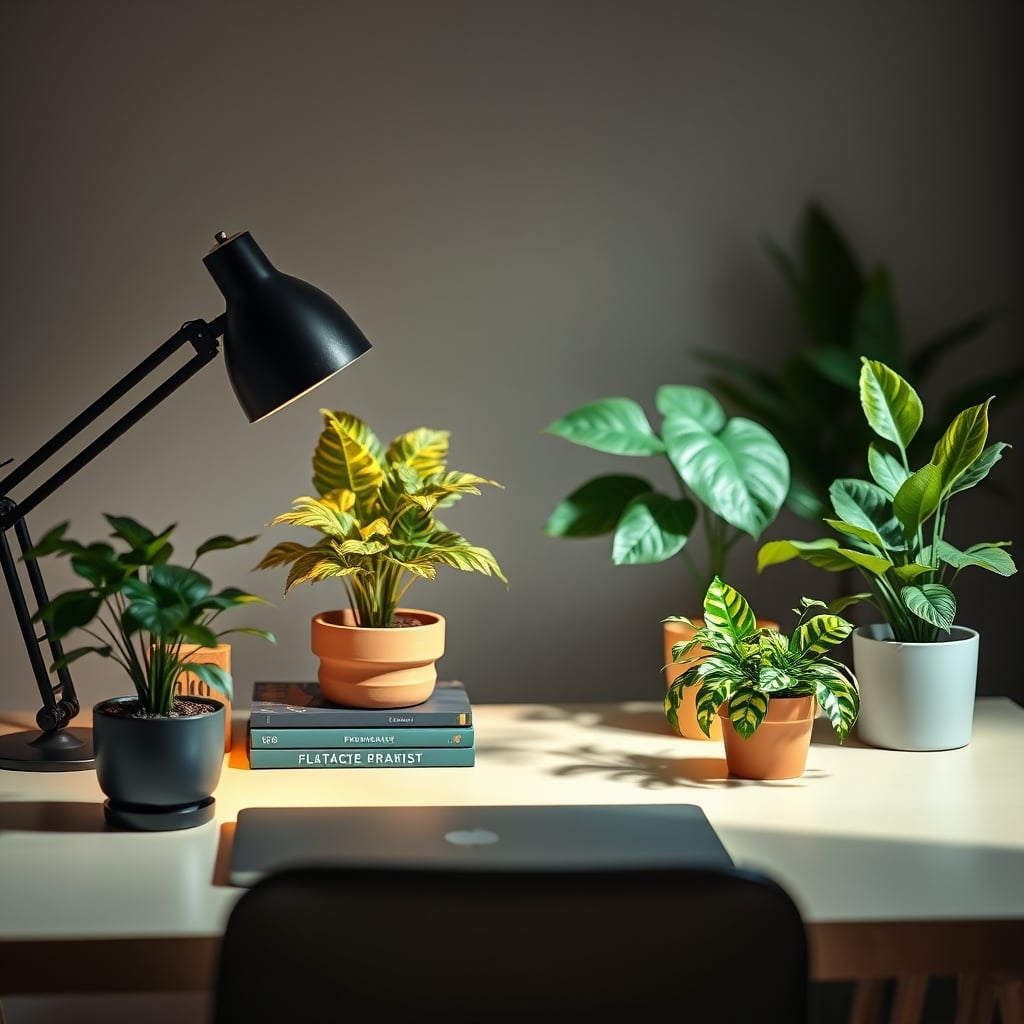
Let's start with the biggest mistake people make when building a fake plants desk: they think they're adding 'life' and 'calm.' You're not. You're just adding more visual clutter that your brain has to process, another dust magnet to clean, and a cheap plastic texture that screams "I gave up." This trend isn't about creating a better workspace; it's about buying a quick-fix vibe for Instagram. And in 2026, it's more played out and counterproductive than ever.
Most people get this wrong. They see a sleek, minimalist setup with a single faux fiddle leaf fig and think, "That's the secret." The secret is that the photo was staged for ten seconds before the plant was shoved in a closet. In real use, that fake monstera is catching glare from your monitor, reflecting your key lights in a weird green hue, and becoming a graveyard for dust bunnies.
The reality is, a fake plants desk commits the cardinal sin of desk design: it adds complexity without function. It’s a placebo. You feel like you’ve “designed” your space, but you’ve just consumed a passive decor product. This is overrated.
The Low-Maintenance Lie: Why Fake Plants Are Actually High-Maintenance
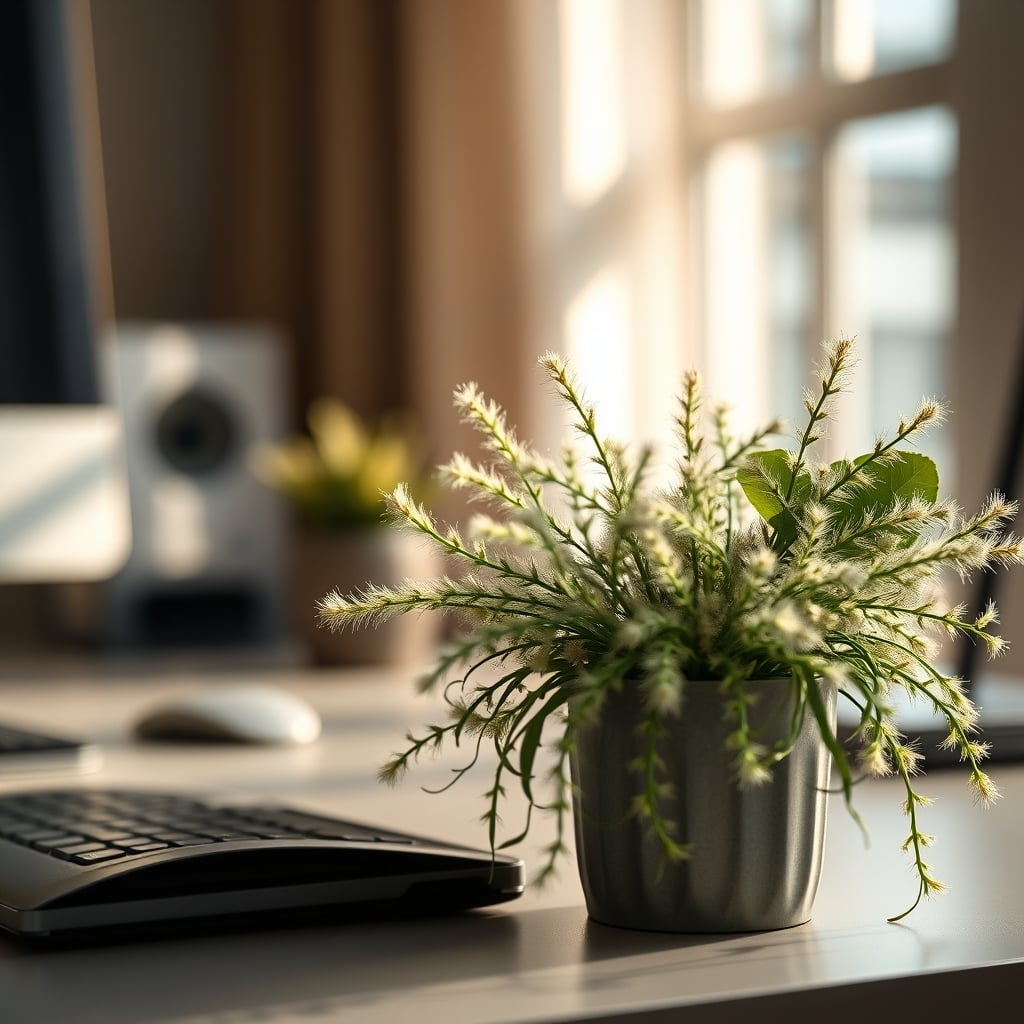
Here’s the industry lie they’re selling you: "Zero upkeep! Always perfect!" This is a myth that needs to die. A real plant needs water and light. A fake plant needs constant curation. It fades. It gets dusty—not just surface dust, but a greasy, static-cling film from cooking oils and skin cells floating in your home office air. Cleaning fake foliage is a nightmare; you’re not wiping a smooth monitor screen, you’re navigating a labyrinth of plastic leaves and silk stems.
Based on widespread user feedback, the #1 complaint isn't that they look fake—people accept that. It's that they become disgusting. Users consistently report that within months, their pristine white faux succulent has a gray, grimed-out patina. What’s the solution? You either embark on a tedious cleaning ritual with compressed air and microfiber cloths (so much for zero upkeep), or you throw it away, contributing to more plastic waste. This is not worth it. You've traded a living thing with a simple need for a dead thing with a complex, annoying one.
The Fake Plants Desk Aesthetic Is Bankrupt
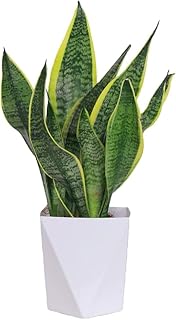
The only plant you need for a low-light desk.
- Actual air purification (per NASA study)
- Thrives on neglect - water monthly
- Modern, architectural aesthetic
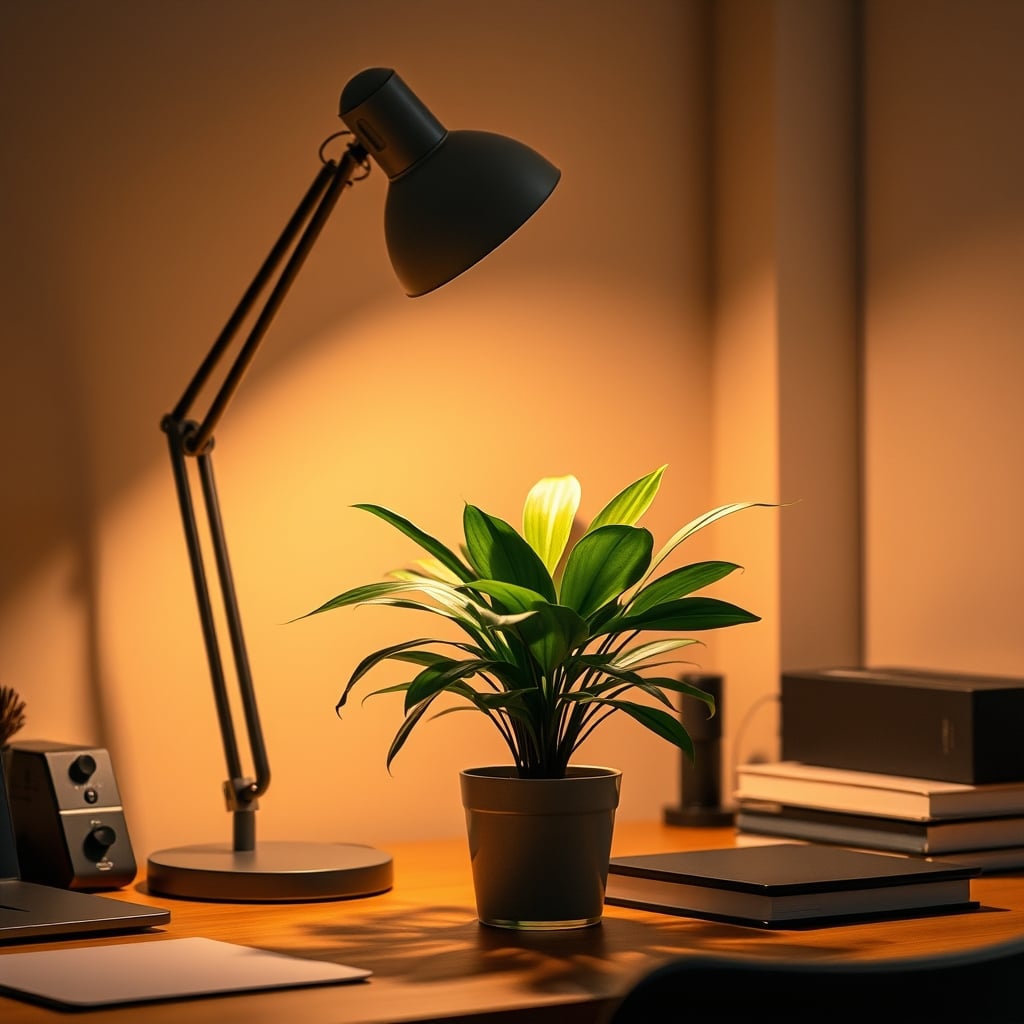
Let's talk vibes, because that's what you're supposedly buying. The aesthetic promise is "biophilic calm." The reality is "corporate lobby melancholy." There’s a material truth your brain picks up on, even subconsciously. Plastic and polyester don’t reflect light like living cellulose. They don’t have subtle color variations. They have a uniform, dead sheen that your peripheral vision registers as inert.
In common setups, especially under the LED panel lights most of us use, fake plants throw harsh, unnatural shadows. A real plant’s shadow has soft, dappled edges. A fake plant’s shadow is often a stark, repeating pattern of identical leaves that screams "manufactured." This visual noise subconsciously interrupts flow state. It’s a constant, low-level reminder of the inauthenticity of your environment. If you're building a space for deep work, why would you fill it with visual cues of artifice?
This doesn't work. The whole point of biophilic design is to connect with life, not a simulation of it. You might as well put a screensaver of a forest on a second monitor. It would have the same psychological effect—which is to say, virtually none beyond the initial, "huh, that's green."
What To Actually Look For: The GlowRig Material Spec
If you’re going to ignore us and buy fake plants anyway, or if you’re in a cave with zero light where even a snake plant would give up, you need to evaluate with a brutally critical eye. Forget "looks real." Judge by these performance specs:
- UV Rating: This is non-negotiable for 2026. If the product listing doesn't explicitly state UV-resistant or UV-stabilized materials, skip it. Sunlight from a window will bleach that $50 faux fern into a sickly yellow within a single season. This is a known issue for long-term use. No UV info equals a disposable product.
- Fire Rating: This is the scary one nobody talks about. Is that plastic foliage flame-retardant? What about the foam in the "soil"? You're surrounding your expensive electronics with synthetic materials. While the risk is low, premium setups demand premium safety. Look for mention of materials meeting a standard like UL 94. If it's just "plastic," that's a red flag.
- Static Coefficient: Sounds technical, but it's simple: does it attract dust like a magnet? Higher-quality silks and plastics are treated to be anti-static. Cheaper versions are dust Velcro. Run your hand near it in the store. If you feel the pull, put it down.
- Weight & Base Stability: A top-heavy fake fiddle leaf fig in a lightweight pot is a disaster waiting for a rogue mouse cord swipe. The base should be substantial—ceramic, concrete, or a heavy composite. If it feels light and tippy, it's a hazard for your gear.
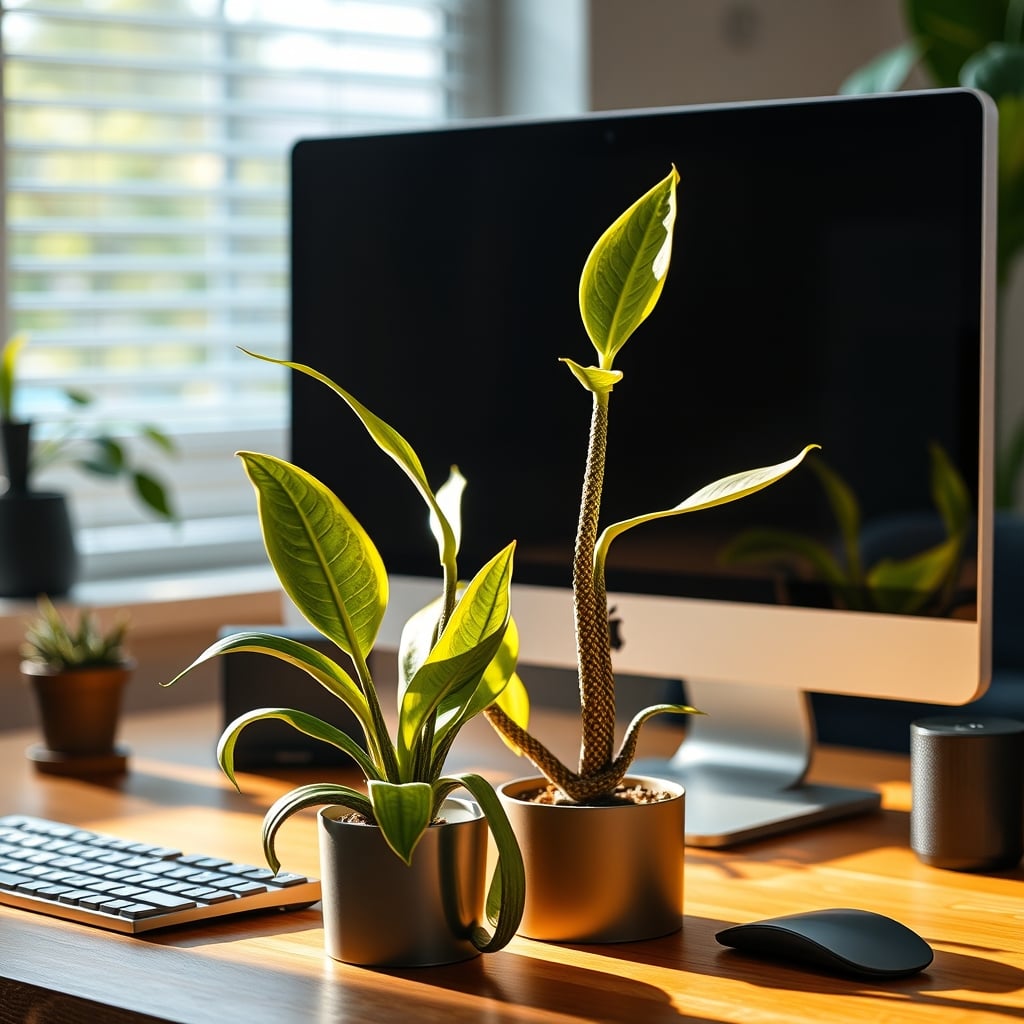
The Brutal Comparison: Fake vs. The Real Alternative
We’re only listing one product here, because the alternative is so obvious it hurts. Instead of filling your cart with plastic, buy one single, actually resilient live plant and a light to keep it alive. The performance difference isn't subtle.
Take the humble Snake Plant (Sansevieria). It’s the antithesis of the fake plant scam. It's not just "low light tolerant" in marketing speak; NASA’s Clean Air Study documented its actual air-purifying capabilities, removing toxins like benzene and formaldehyde. A fake plant can't do that. It just sits there, occupying space.
A real snake plant grows. Slowly, imperceptibly, but it changes. That slight change is a positive, subtle temporal marker in your static digital workspace. It requires engagement—a check-in every few weeks to see if it needs water. That 10-second ritual is a micro-break that grounds you in reality, not another task (like dusting plastic). This is the real issue: we've replaced simple, rewarding care with complex, annoying maintenance of dead things.
This is the move. A real, air-purifying Sansevieria in a decent pot. It needs water maybe once a month. It thrives in indirect light. It won't fade, collect grime the same way, or feel like a prop. It's a functional organism, not decor. Pair it with a simple, full-spectrum desk grow light if you're in a dungeon, and you have a system that actually contributes to your environment.The 2026 Verdict: Skip The Fake Plants Desk
Let's be definitive. The fake plants desk trend is overrated. It's a commercialized, lazy solution that delivers the worst of both worlds: the visual commitment of a decorative element with none of the psychological or functional benefits of a real one, plus added hidden chores.
Your money and your desk space are zero-sum games. Every square inch occupied by a dust-collecting plastic pothos is an inch not used for a useful tool, a clear space for notepads, or just beautiful, empty negative space that lets your mind breathe. The industry is lying to you about the "effortless vibe."
If you want greenery, get a single, truly hardy live plant. If you can't keep a succulent alive, you have bigger problems a fake fern won't solve. If you want pure minimalism, embrace the clean lines of your hardware. But this middle-ground, fake plants desk compromise? It's the worst kind of decor: dishonest and demanding.
Final Verdict: Skip it. Your focus will thank you.
For more on how your environment sabotages you, read our piece on Desk Plants Distraction The Hard Truth Nobody Wants and the ultimate guide to crafting a Focus Distractions Environment.
Frequently Asked Questions
Do fake plants on a desk actually improve productivity or mood?
No, credible evidence for fake plants boosting productivity is virtually nonexistent. Unlike real plants, which can improve air quality and provide a subtle connection to nature, fake plants are inert objects. At best, they're neutral visual clutter; at worst, their artificial texture and dust-collecting nature can become a minor subconscious distraction.
What is the biggest practical downside of fake desk plants?
Dust accumulation is the most common and severe issue. The complex, static-prone surfaces of silk and plastic leaves attract and trap dust and airborne grease far worse than smooth surfaces or even real plants. They require frequent, tedious cleaning, completely negating the 'low-maintenance' promise.
Are there any scenarios where fake desk plants are okay?
Only in truly extreme, lightless environments like server rooms or interior conference rooms with no windows, where even the most resilient real plant would immediately die. Even then, a high-quality preserved moss or a single, very well-made UV-stabilized specimen is the absolute limit. For 99% of home offices, they are an inferior choice.
What's a better alternative to a fake plant for my desk?
Get one single, ultra-hardy live plant like a Snake Plant (Sansevieria) or ZZ Plant. Pair it with a small, full-spectrum desk grow light if natural light is low. This provides real air-purifying benefits and a tangible, rewarding element of care. If you refuse any plant care, invest in higher-quality decor like a sculptural stone, a kinetic sculpture, or simply prioritize clear, open desk space.
Written by
Maya is an enthusiast for biophilic workspace design. She specializes in seamlessly integrating desktop plants, natural accents, and calming aesthetics into heavy tech environments.
2 Comments
Share your thoughts with the community
Is there a specific order you'd recommend for upgrading fake plants desk, or does it depend on use case?
I'd add that fake plants desk also has a learning curve most people ignore. The technical side isn't the hard part.
Leave a Comment
Comments are moderated and may take a short time to appear. Links are not permitted.