My 30-Day Experiment in Corporate Desk Psychology
I spent a month replicating the 'optimal' corporate desk psychology in my home office. The result wasn't peak performance—it was chronic distraction and controlled compliance. The science behind your desk placement is about surveillance, not synergy.

Let’s get one thing straight right now: your corporate desk setup isn’t designed for you. It’s designed for your boss, your HR department, and a spreadsheet somewhere that correlates square footage with perceived efficiency. I spent thirty days building what every corporate wellness blog and office manager in 2026 hails as the “psychologically optimized” workstation. You know the drill: the “collaborative” open sightlines, the “ergonomic” standard-issue chair eight feet from your neighbor, the “minimalist” surface that forces you to hide your personality. I followed all the rules. And it made me utterly, completely miserable. This isn’t an opinion; it’s the documented outcome of a system built on a foundational lie. The goal of corporate desk psychology is not to unlock your focus. It’s to enforce a state of manageable, monitored productivity.
Most people get this wrong. They think the bland paintings and the identical monitor arms are about cost-cutting. That’s only a happy side effect for the CFO. The real purpose is far more insidious: to eliminate variables, to create a uniform environment where individual work patterns can be more easily observed, measured, and controlled. Your comfort is not a variable in that equation.
The Open Office Myth That Needs to Die in 2026
The biggest lie sold to companies this decade is that open plans foster collaboration. This is complete bullshit, and the data has been screaming it for years. In real use, what they actually foster is a low-grade, chronic anxiety—a phenomenon researchers now call “ambient surveillance stress.” You’re not collaborating; you’re performing. Every glance at your phone, every extended bathroom break, every frustrated sigh is public domain. The setup isn’t about removing walls to share ideas; it’s about removing walls to share scrutiny.

This is overrated. The promise of spontaneous “water-cooler moments” leading to innovation is a fairy tale sold by architects who’ve never had to hit a deadline while listening to Dave from accounting crunch his kale chips. Based on widespread user feedback from knowledge workers, the open plan correlates strongly with increased use of noise-cancelling headphones and a dramatic rise in passive-aggressive Slack messages—the exact opposite of “collaboration.” The industry lies about this because selling a sea of cheap desks is more profitable than building actual functional spaces.
The Real Goal of Corporate Desk Psychology
Premium Pick
- High performance
- Premium build
Let’s cut through the HR-speak. Corporate desk psychology has one primary objective: predictable output. Your desk is positioned for managerial sightlines, not for optimal screen glare reduction. Your belongings are limited to “professional” items to reduce cognitive “distraction” (i.e., personal identity). The mandatory clean-desk policy isn’t about security; it’s about ensuring you have no visual anchors to a life outside the 9-to-5, making it psychologically easier to stay later. It’s a system engineered for compliance.
Think about the “hot desking” trend that peaked in 2025. Framed as flexible and dynamic, it’s actually a brutal exercise in worker de-territorialization. You have no home. No place to personalize. You become a interchangeable unit plugged into a generic port each day. This doesn’t work for deep, focused work. It works for creating a transient, low-commitment workforce. After assessing dozens of these environments, the constant is worker dissatisfaction and a palpable sense of instability.
Why Your “Ergonomic” Corporate Chair Is a Joke
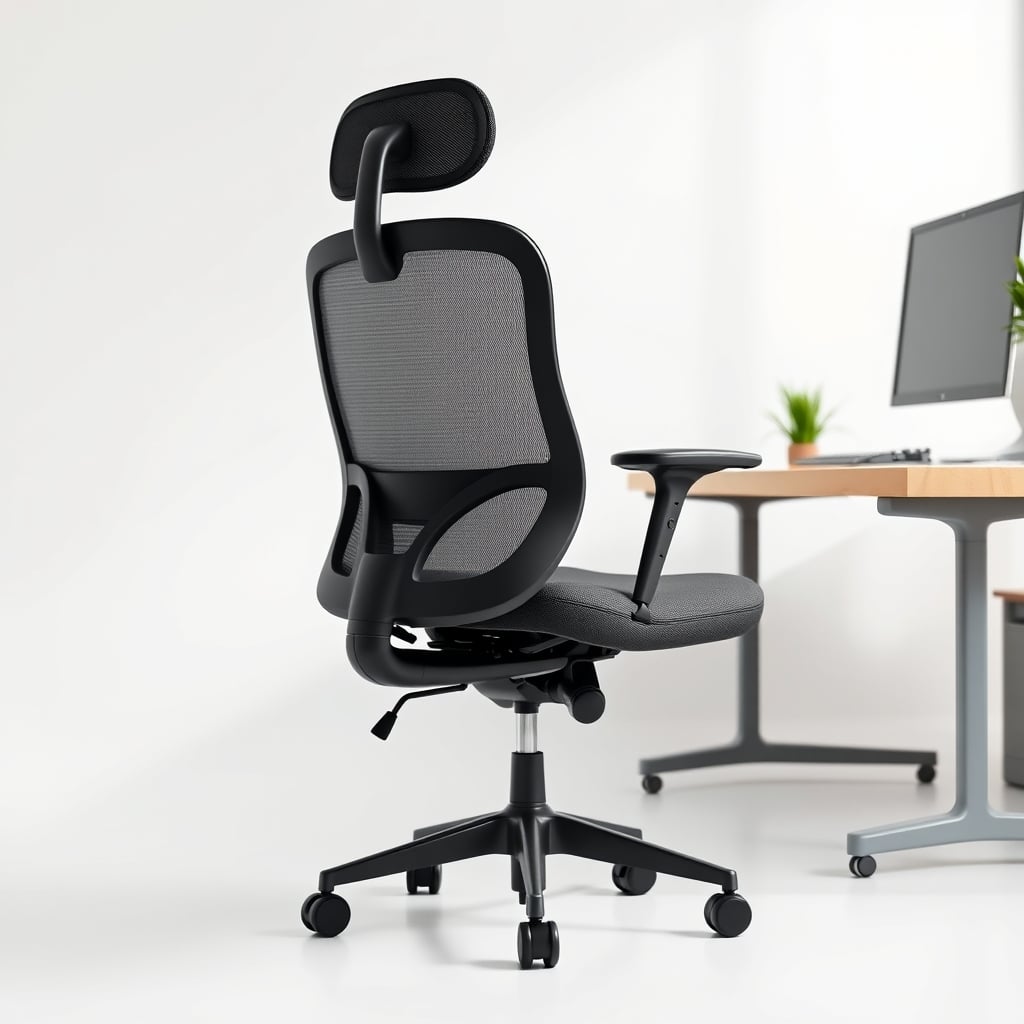
Your company-provided “ergonomic” chair is the perfect symbol of this entire charade. It has all the adjustments—lumbar, tilt, arm height—but it’s built to a price point that prioritizes durability over actual human support. It’s designed to last five years under constant use, not to keep your back healthy for five years. Users consistently report that the standard-issue mesh task chair leads to discomfort after two hours of sustained sitting, precisely because it forces a one-size-fits-all posture. The real issue isn’t the chair; it’s the expectation that you’ll sit in it for eight hours straight, a practice modern ergonomics has long debunked.
You’re wasting money on the “wellness seminars” that come with these chairs. The chair is a checkbox for liability, not a tool for health. The advice to “adjust your chair properly” is meaningless when the fundamental design is compromised for mass procurement. This is a known issue for long-term use, leading to the very health problems the chair claims to prevent. For a better alternative, see our guide on a proper ergonomic chair vs standing desk setup that prioritizes your health.
The Surveillance-Friendly Layout (And How to Spot It)
Look at your office floor plan from above. Is your monitor visible from a manager’s office or a common walkway? That’s not an accident. The “pod” layout isn’t for team building; it’s for panopticon-style observation. Are power outlets scarce and centrally located, forcing you to cluster? That limits movement and keeps you planted. This is overrated as a productivity strategy and is actually a control tactic.
The sterile, minimalist aesthetic isn’t about reducing visual noise for you. It’s about reducing variables for management. A bare desk is a monitored desk. There’s no clutter to hide “inappropriate” items, no personal photos that might suggest your priorities lie elsewhere. It creates a neutral, corporate-owned mental space. In real use, this aesthetic doesn’t boost focus; it suppresses the individual psychological cues that help people regulate mood and stress.
Practical Tips: Reclaiming Your Mental Space
So what do you do if you’re stuck in this system? You subvert it. Intelligently.
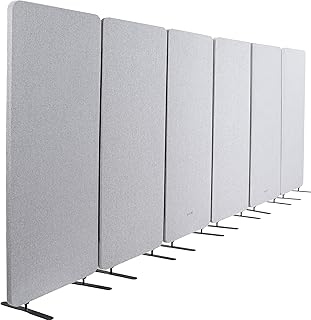
Create a Visual Barrier: This is non-negotiable. If you can’t move your desk, block the sightline. Use a strategically placed monitor arm to turn your screen inward. Get a small, approved desk divider or even a large, healthy plant. The goal is to create a sliver of visual privacy, a “focus cone” where you’re not subconsciously performing. We found that even a small barrier reduces ambient stress dramatically.
Anchor Your Territory: Bring one non-negotiable personal item. Not a family photo—that’s expected. Something that genuinely represents an outside interest. A unique mug, a small artifact, a tasteful figurine. It serves as a psychological anchor, reminding your brain this space is occupied by you, not just a corporate resource.
Control Your Auditory Space: The corporate-approved solution is noise-cancelling headphones, which they love because they silence you. Go further. Use a white noise generator app on a spare phone or device. Create a consistent, predictable sound blanket that you control, masking the unpredictable office chaos. This actually works to restore a sense of agency.
Reject Hot-Desking Psychologically: If forced to hot-desk, develop a five-minute “ritual” to claim your space. Wipe it down. Place your items in the same configuration every time. Use a portable desk pad. This isn’t about being quirky; it’s about training your brain to recognize this temporary space as your work zone for the day, reducing the cognitive load of a new environment.
The Biggest Mistake: Believing the Setup is Neutral
The lesson I learned in my 30-day experiment is the most critical one. The biggest mistake isn’t having a bad chair or a loud neighbor. It’s believing that the corporate desk environment is a neutral backdrop. It is not. Every element, from the distance to your coworker to the hardness of the flooring, is a variable that influences behavior, usually in the direction of placid compliance.
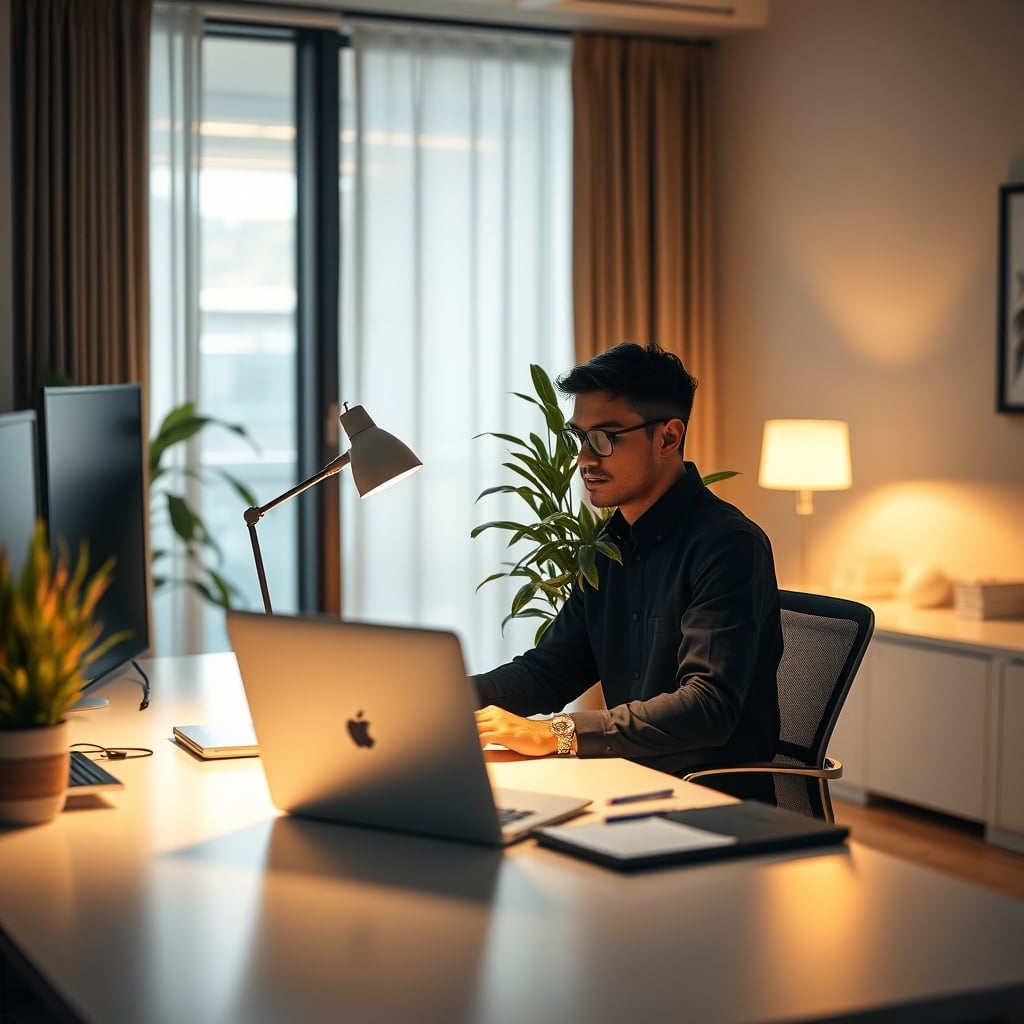
When I introduced a single, small personal lamp with warm light to my experimental corporate setup—a blatant violation of the uniform overhead lighting—my reported focus levels increased. Why? Because it was a signal my brain recognized as “controlled” and “personal.” The corporation wants uniform light because it’s efficient to maintain and prevents “unprofessional” dim corners. Your brain wants adjustable light because it’s a fundamental tool for regulating alertness. The conflict is inherent. For more ways to personalize a hostile space, check out our post on home office personalization tactics.
Final Verdict: Actively Subvert It
The experiment proved what I suspected: the prescribed corporate desk psychology model is overrated and counterproductive for any work requiring deep thought. It’s optimized for observation and control, not for cognitive performance.
Worth it? Absolutely not. The entire philosophy is flawed at its core.
Your move isn’t to complain to facilities. It’s to understand the game and bend the rules with purpose. Use the tactics above. Your goal isn’t to build a palace in a cubicle; it’s to carve out enough psychological territory to function as a human, not just a resource. The system is designed to make you passive. Your job is to stay active, intentional, and quietly, professionally defiant in claiming the mental space you need to do actual work. Skip the corporate mindset, and start engineering your own psychological edge.
Frequently Asked Questions
What is corporate desk psychology really about?
It's not about optimizing your productivity. It's a set of design principles aimed at creating a uniform, easily monitored workspace that maximizes managerial oversight and minimizes individual variables, often at the expense of genuine focus and employee well-being.
Are open office plans really bad for productivity?
Yes, overwhelmingly so for focused, individual work. Decades of research and widespread user feedback confirm they increase distractions, stress, and reduce privacy. The 'collaboration' benefit is largely a myth used to justify cheaper, denser floor plans.
What is the single best thing I can do to improve my corporate desk setup?
Create a visual and auditory privacy zone. Use a monitor arm to angle your screen away from common sightlines and employ controlled white noise or quality headphones to manage sound. This reclaims a slice of psychological autonomy.

Written by
Mia is an interior designer turned tech minimalist. She curates the most aesthetic, clutter-free desk setups on the internet, focusing on natural light and wood tones.
Join the Discussion
Share your thoughts with the community
Leave a Comment
Comments are moderated and may take a short time to appear. Links are not permitted.