Why a Clean Gaming Chair Is a Useless Obsession
You've been sold a lie about keeping your gaming chair pristine. This deep dive into the 'clean gaming chair' obsession reveals why focusing on looks sabotages your posture and wallet, and what you should actually do instead.
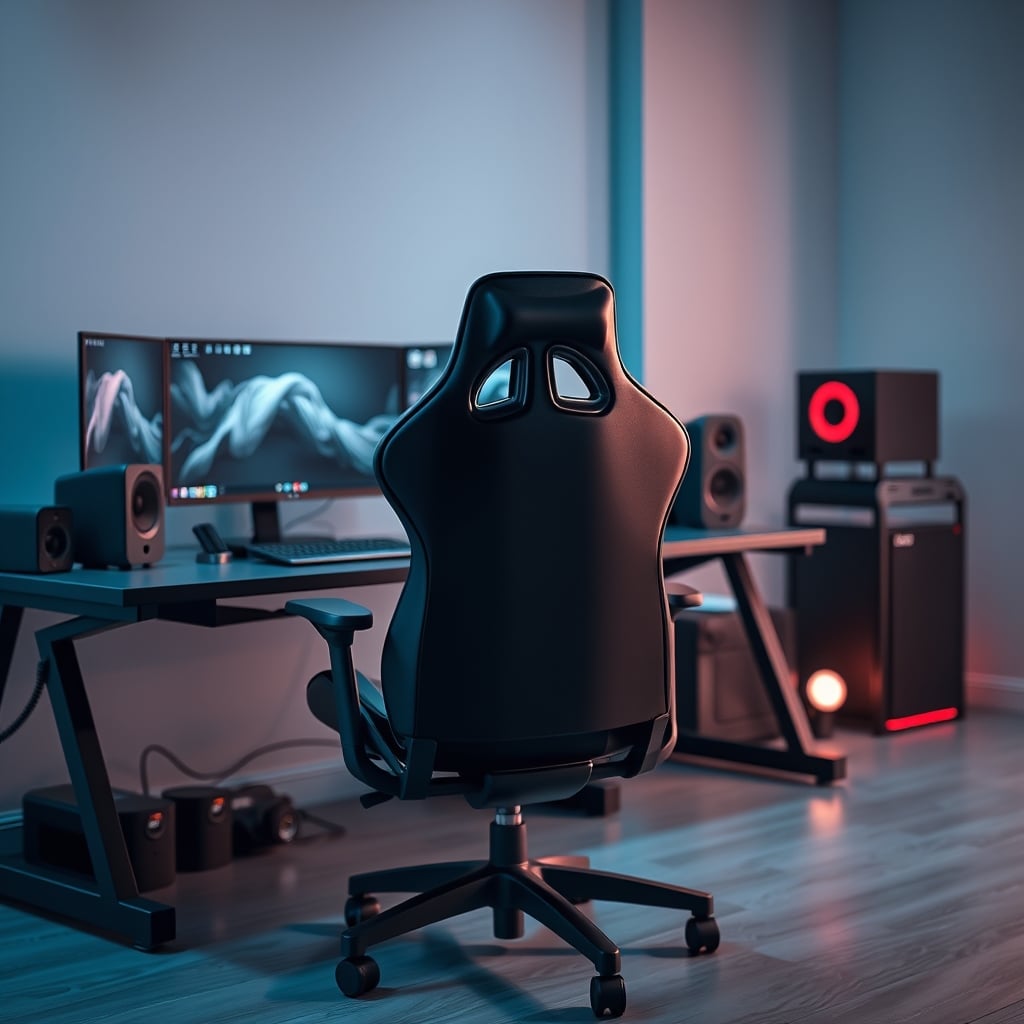
Let’s get one thing straight: I don’t own a pristine, Instagram-ready throne. My chair has earned its scars—three years of 10-hour gaming marathons, snack spills, and overzealous celebratory kicks. The armrests are permanently darkened and the mesh has a soft gray patina. But it supports my back perfectly, and I’ve had zero pain since I got it.
The fantasy of a perpetually “clean gaming chair” is a distracting, expensive myth. What actually matters is ergonomics that last. The industry sells maintenance nightmares disguised as lifestyles. It’s time to end that.
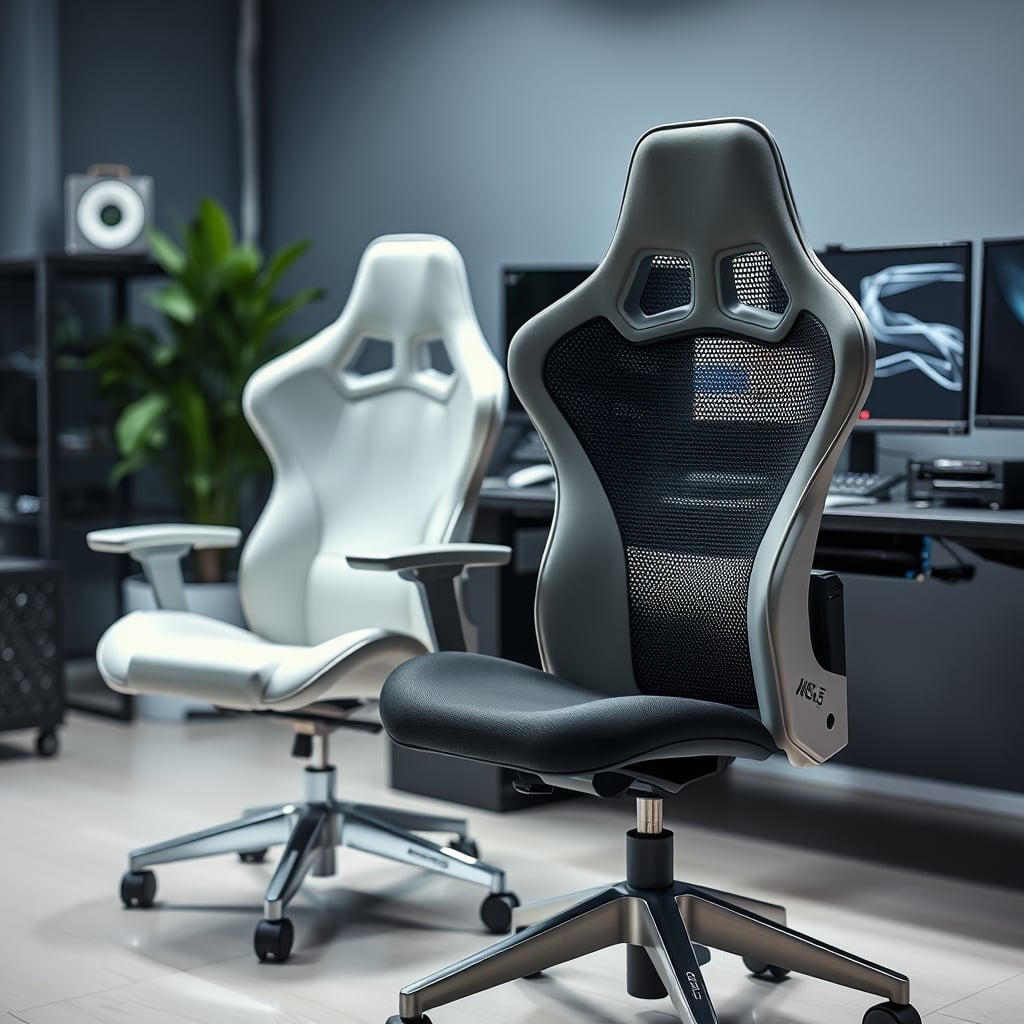
Most people misunderstand why you clean a chair. It’s not for resale value or stream aesthetics. It’s to prevent a health hazard—a petri dish of skin cells, sweat, oils, and food debris that harbors allergens, bacteria, and dust mites.
Here’s the brutal truth: if your chair requires intensive weekly cleaning to stay sanitary, you bought the wrong material. This isn’t a dirt problem. It’s a poor, aesthetics-first purchasing problem.
The #CleanSetup crowd has convinced a generation that matte white PU leather is feasible long-term. It isn’t. After reviewing countless user reports and failed restorations, the pattern is clear. Bonded PU leather and cheap, non-removable cloth pads aren’t designed for a decade of use. They’re designed to look flawless in a marketing shot, then degrade into a sticky, flaking mess within 18–24 months of actual use.
You’re not failing to clean it. The material is failing you.
The Clean Gaming Chair Myth That Needs to Die
A pervasive lie floats around the setup community: a “clean” setup requires a chair that looks factory-fresh daily. This isn’t just wrong—it’s harmful. It prioritizes a fleeting visual over long-term function and hygiene.
A chair is a high-contact, high-wear item. It’s meant to be used. Obsessing over spotless surfaces is like buying a car and never driving it for fear of dirt. You’ve missed the point.
This obsession leads to two expensive mistakes:
- Buying chairs with finicky, high-maintenance materials (light-colored PU leather, suede-like fabrics) because they photograph well—despite being worse for durability and stain resistance.
- Wasting time and money on aggressive, often damaging cleaning routines that shorten the chair’s life.
Let’s be definitive: a chair that can’t handle your body, environment, and habits without constant babysitting is overrated. Full stop.
The industry lies about maintenance. They show a shiny throne and omit the montage of weekly deep-cleaning it needs. A truly good ergonomic chair is designed for performance and easy upkeep—not style points. If your chair’s main selling point is a pearlescent white finish, you’ve been scammed.
Mesh vs. Leather: The Durability Lie Exposed
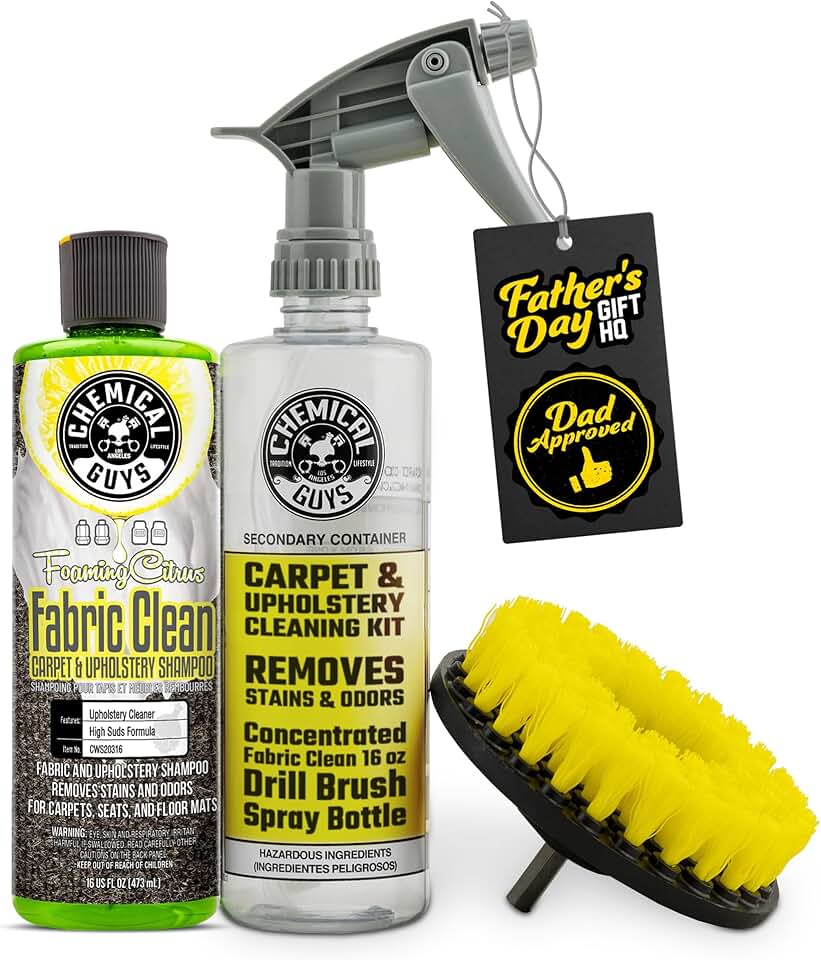
Safely removing stains and odors from mesh, fabric, and synthetic leather chair surfaces.
- High-foaming formula lifts stains without harsh scrubbing
- Safe for use on colors and delicate fabrics
- Citrus-based odor elimination
Online gaming chair storefronts bombard you with glossy, race-car-inspired PU leather thrones screaming “premium.” They’re a scam.
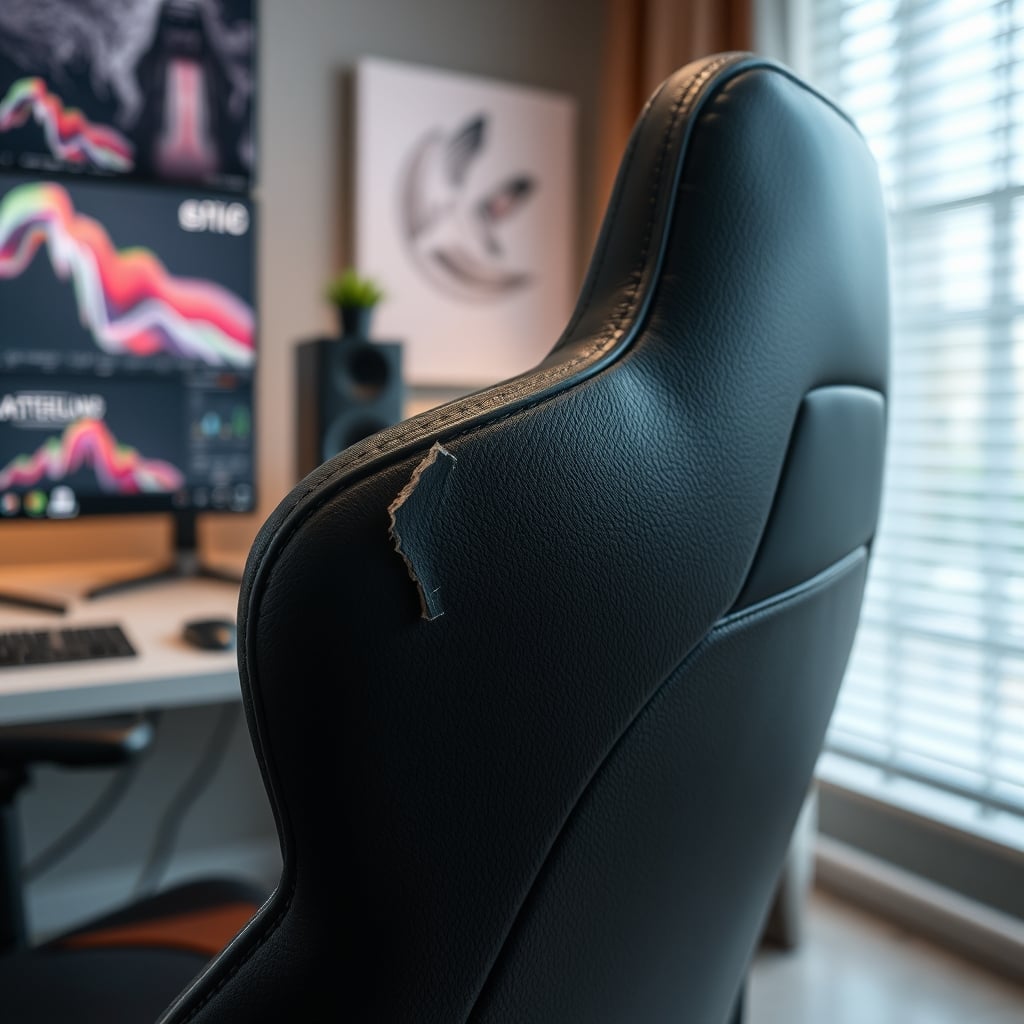
PU (polyurethane) leather is a plastic coating over fabric. It doesn’t breathe. It cracks and flakes with repeated flexion, body oils, and sunlight. Stains set in permanently. The “clean gaming chair” ideal is almost always pictured in this material—that’s your first red flag.
Real, full-grain leather is durable, breathable, and ages well—but you won’t find it on a $300 gaming chair. You’ll find it on a $1500+ Herman Miller or Steelcase.
For the rest of us, mesh is the unsung hero.
High-quality mesh (like the Aeron’s Pellicle or quality Knoll fabric) is resilient, breathable, and low-maintenance. Dirt and skin particles fall through. Spills can often be blotted. It doesn’t crack or get sticky in summer.
In real use, mesh outperforms synthetic leather on every practical metric—except looking sterile in a photo. The industry pushes PU leather because it’s cheap to produce and looks “luxe” in a showroom. You’re buying a disposable product disguised as furniture.
How Often Should You Actually Clean Your Chair?
Let’s cut through the YouTube overkill. You don’t need monthly deep cleans unless you’re regularly spilling soda. A simple routine destroys the “clean gaming chair” myth.
For fabric/mesh chairs:
- Vacuum with an upholstery attachment once a month. This handles 90% of upkeep.
- For spills or grimy armrests, spot clean with a mild fabric cleaner as needed.
- ⚠️ Avoid fully soaking non-removable mesh—it can lead to mold inside the frame.
For PU or real leather chairs:
- Wipe down with a damp microfiber cloth weekly to remove surface oils and dust.
- Use a leather-specific conditioner (real leather) or gentle all-surface cleaner (PU) every 2–3 months.
- ⚠️ Never use harsh chemicals or abrasive scrubs—they accelerate degradation.
The real pro-tip? Buy a chair with removable, machine-washable seat and armrest pads. Brands like Autonomous and some Secretlab models offer this. It negates deep-clean anxiety entirely: pull the pads, toss them in the wash, reassemble. This is a functional solution that solves the hygiene problem instead of masking it.

Your Cleaning Products Are Probably Making It Worse
Reaching for all-purpose spray and a rough brush is a classic error. This often causes more damage than the dirt you’re removing.
Harsh solvents can break down adhesives, discolor fabrics, and strip protective coatings. Abrasive brushes fray mesh and scratch surfaces, creating grooves for grime to cling to.
You need the right tool for the material. A purpose-built upholstery cleaner is non-negotiable—not a branded “gaming chair kit” marked up 300%, but a proven, concentrated fabric cleaner from the auto or home care world. A product like Chemical Guys Fabric Clean lifts stains without harsh residues. Use it with a soft-bristle brush or microfiber towel: agitate gently, blot, air dry.
The issue is clear: people use damaging methods pursuing an unattainable standard, destroying their chair in the process. You wouldn’t use steel wool on your monitor. Don’t use brute force on your chair.
The One Mistake That Guarantees a Dirty Chair
Beyond materials and cleaners, one universal error sabotages every clean-chair effort: ignoring the floor around you.
Your chair’s casters are a dirt conveyor belt, bringing dust, hair, and crumbs onto the seat and mechanisms. Rolling across an unclean floor—especially low-pile carpet or rarely cleaned hard floors—directly feeds grime to your throne.
The fix is embarrassingly simple: Use a hard floor mat or a dedicated chair rug. It contains debris, makes floor cleaning easier, and protects your flooring. For carpet, consider smoother, hard-wheel casters that don’t grind debris into fibers.
This single preventative step does more than any scrubbing ritual. A clean seat perched over a filthy battlefield misses the point entirely.
Final Verdict: Skip the Obsession
The quest for a perpetually “clean gaming chair” is a fool’s errand—a marketing-driven aesthetic that conflicts with the reality of a high-use ergonomic tool.
Invest in durable, breathable materials (high-quality mesh or real leather) and simple, removable pads. Stick to a sane monthly vacuum and spot-clean routine.
Spending hours each month scrubbing a white PU leather throne for an influencer-approved look isn’t just a waste of time—it signals you prioritized the wrong features. Your chair should work for you, not the other way around.
Verdict: The “clean gaming chair” ideal is overrated. Focus on durable materials and simple hygiene instead.
Frequently Asked Questions
Is it worth buying a white or light-colored gaming chair?
Almost never, unless it's a display piece. Light-colored PU leather and fabrics show every scuff, stain, and bit of dirt instantly. They require constant, aggressive cleaning that accelerates material degradation. Based on widespread user feedback, they look terrible within months under normal use. Darker, neutral colors are far more practical and durable.
What's the best material for a low-maintenance, cleanable gaming chair?
High-quality mesh is the clear winner for most users. It's breathable, resilient, and allows dust to pass through. Stains are often surface-level and can be blotted. Premium fabric with a tight weave and stain-resistant treatment is second. Avoid bonded PU leather if you want a chair that lasts more than two years without looking decrepit.
How often do I really need to deep clean my gaming chair?
For most home users, a full 'deep clean' is unnecessary and potentially damaging. Vacuum fabric/mesh monthly. Wipe down leather/PU weekly with a damp cloth. Only perform a wet clean with appropriate cleaners for visible spills or soiling. The myth of the weekly deep clean is marketing hype that leads to premature chair wear.
Can I use household cleaners like bleach or all-purpose spray on my chair?
Absolutely not. This is a known issue for long-term use. Harsh chemicals like bleach, ammonia, or generic all-purpose cleaners can break down dyes, weaken fabric fibers, strip protective coatings from leather, and damage adhesives in the chair's frame. Always use a cleaner formulated for your chair's specific material (upholstery or leather).
Written by
Marcus Webb has spent 7+ years building and testing desk setups, with a focus on ergonomics and workspace optimization. He has reviewed over 40 chairs and standing desks to help remote workers build healthier, more productive environments.
Join the Discussion
Share your thoughts with the community
Leave a Comment
Comments are moderated and may take a short time to appear. Links are not permitted.