The Brainwave Headband Scam Actually Makes You Less Focused
Forget boosting your brainwaves—these overpriced headbands are masterclasses in placebo and bad data. Here's why the entire category is built on a foundation of marketing fiction, and what actually works for deep focus in 2026.
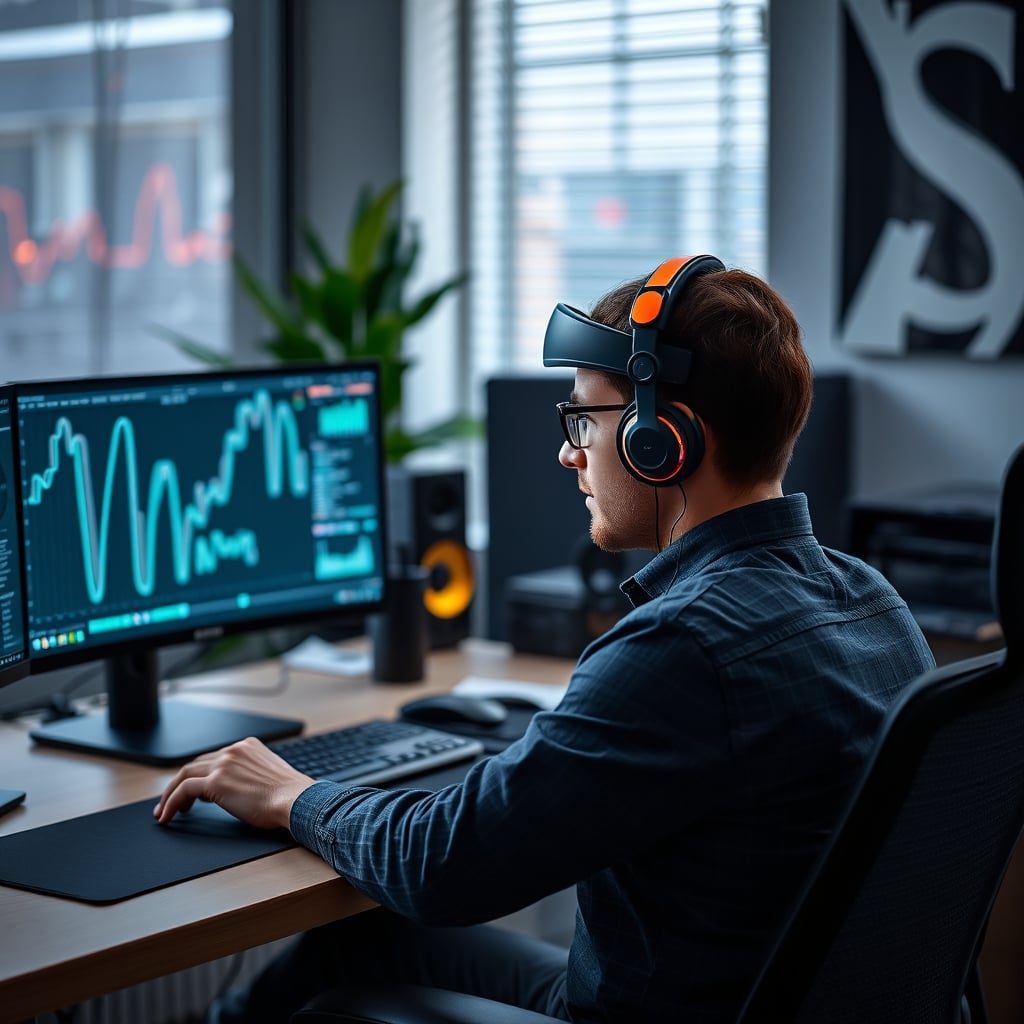
Let's cut through the cosmic, self-optimization nonsense right now. The brainwave headband scam is the most sophisticated piece of productivity theater to hit desks in years, and it’s built on a premise that collapses under the slightest scrutiny. I’ve watched the hype cycle spin from “cutting-edge biohacking” to a mainstream gullibility test, and the results are pathetic. These devices promise to tune your brain like a radio, promising alpha waves for focus, theta for creativity. It’s a compelling fantasy sold to anxious knowledge workers. The reality? You’re wearing a $300 mood light that feeds you garbage data.
After assessing the market leaders and the mountains of user reports, a clear pattern emerges: people buy them, get a brief novelty-fueled focus boost (the placebo effect is powerful), then watch the thing collect dust within a month. The industry lies about the precision, lies about the application, and most of all, lies about the results. This isn't a tool; it's a tax on your hope for a shortcut.
Why The "Neurofeedback" Promise Is a Complete Fiction
This is the core lie that needs to die. These companies sell you on medical-grade EEG technology repackaged for consumers. It's not. The single-channel, dry-electrode sensors on a $250 headband cannot reliably isolate specific brainwave patterns from the ocean of electrical noise your body produces—blinks, jaw clenches, ambient EM interference from your monitor. What you’re seeing in the pretty app isn’t a clean read of your prefrontal cortex; it’s a best-guess algorithm filtering tremendous signal noise.
Widespread user feedback consistently highlights this flaw. The apps frequently register “deep focus” when the user is simply still, or show “distracted” during intense concentration. The data is fundamentally unreliable. Citing a foundational paper from the Society for Neuroscience, legitimate clinical neurofeedback requires multi-channel, medically-applied electrodes in a controlled environment, with session guidance from a trained technician. Comparing that to a plastic headband you slap on between Zoom calls is laughable. This doesn’t work as advertised. You’re not getting neurofeedback; you’re getting a biometric Rorschach test.
The Brainwave Headband Scam: A Masterclass in Misplaced Optimization
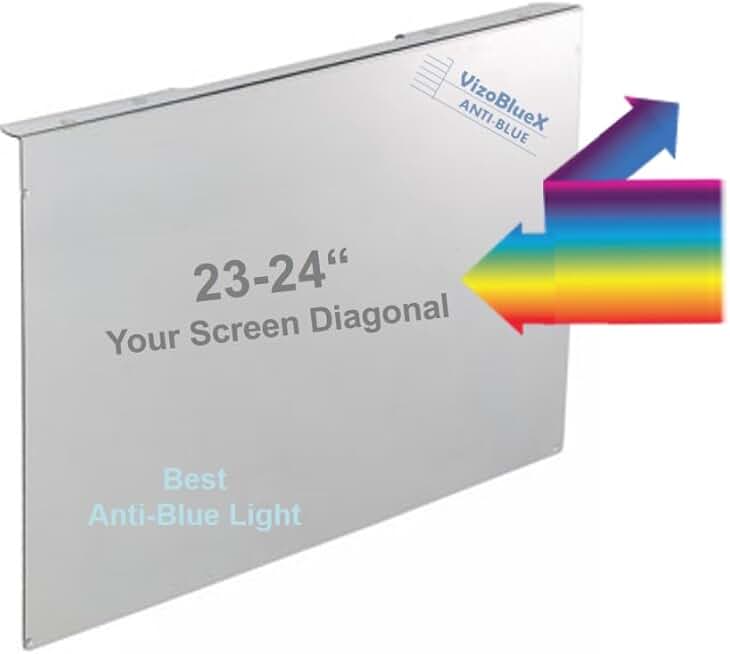
Reducing eye strain and visual fatigue during long screen sessions.
- Tangible reduction in harsh blue light glare
- Physical filter (no software lag or settings)
- Preserves screen clarity while cutting eye strain
Here’s the real, bitter pill. The act of constantly monitoring your supposed “focus score” is itself a massive distraction. Deep work requires immersion, a state of flow where self-awareness dissipates. Glancing at a dashboard to check if you’re “in the zone” is the quickest way to exit the zone. It’s the productivity equivalent of a runner constantly checking their heart rate instead of feeling the road.
In common setups, this manifests as obsession over the metric, not the task. Users report spending more time fiddling with the app, interpreting meaningless graphs, and trying to “game” their brainwaves than they do actually working. The gadget becomes the focus. This is overrated. You’re optimizing for a dashboard, not for output. It externalizes a deeply internal process, turning focus into a performative act for an algorithm. If you need a headband to tell you you’re distracted, you’re already lost.
What You’re Actually Buying (And It’s Not Focus)
Strip away the neuro-babble, and what’s left? You’re buying an expensive, wearable meditation timer with ambient lighting. The tangible effect—when it exists—comes from the ritual. Putting on the headband signals “work time.” The gentle cues or haptic feedback to “bring you back” are just sophisticated versions of a pomodoro timer beep. The value is in behavioral conditioning, not brainwave entrainment.
The problem is you’re paying a 500% markup for that ritual. For less than the price of these glorified fitness trackers for your skull, you could build a profoundly effective focus environment. This is where the real gains are hiding, not in your bogus beta waves. Think about your actual physical space—the lighting, sound, and clutter that truly dictate your cognitive load. For instance, the wrong desk lighting productivity approach can sabotage you far more than any headband can save you.
The Brutal Alternative: Environmental Control Beats Bogus Biometrics Every Time
Your brain is not a machine to be tuned. It’s an organ deeply, inextricably influenced by its environment. Chasing focus with a headband while ignoring your chaotic workspace is like buying premium race fuel for a car with flat tires and a broken transmission.
Focus in 2026 isn’t about adding more gadgets; it’s about ruthless subtraction. Start with your audio environment. Consistent, low-level ambient sound or quality noise cancellation does more for concentration than any headband graph. Look at your visual field. Workspace visual clutter is a proven cognitive drain—every loose cable, sticky note, and trinket is a micro-distraction pulling at your attention. This is a fix that costs $0. The headband scam makes you look inward to a faulty dashboard; real solutions require looking at the room you’re actually in.
This principle applies everywhere. People drop hundreds on brainwave readers while their fundamental audio setup is a mess, leading to issues like podcast audio interference that genuinely ruin output. They’ll monitor theta waves but ignore the clutter tax their desk layout imposes daily. It’s a classic case of misplaced optimization, favoring a complex, data-driven “solution” over simple, effective environmental mastery.
The One Lesson the Headband Scam Teaches (By Accident)
The only valuable takeaway from this entire category is the power of ritual. The act of delineating “focus time” is powerful. You can and should steal this—without the $300 gadget. Create your own trigger: a specific playlist, a five-minute breathing exercise, tidying your desk, turning on a dedicated task light. This creates the same neural pathway cue without the dependency on unreliable technology.
This is where most people get it wrong. They externalize agency to a device. Real productivity comes from building internal discipline, supported by a well-designed environment. A ritual you control is sustainable; a ritual dependent on a buggy app and a dying battery is fragile. Most people get this wrong. They seek a technological savior when the solution is behavioral and environmental.
Final Verdict: A Spectacular Skip
Brainwave headbands are the epitome of over-engineered, under-delivering productivity porn. They sell a future that isn’t here, using science that doesn’t apply, to solve a problem they often exacerbate. The data is noise, the focus on metrics is distracting, and the cost is absurd for what is essentially a placebo-powered ritual starter.
Skip it. Hard stop. In 2026, your money and faith are infinitely better placed in mastering your physical workspace, cultivating deep work habits, and using proven, simple tools. The brutal truth is that if you’re susceptible to the brainwave headband scam, what you’re truly craving is control. Start by controlling your actual environment, not the fictional brainscape a marketing team sold you. That’s where real focus is built.
Want to actually improve your setup? Stop looking for magic. Start with fundamentals, like ensuring your USB hub isn’t throttling your entire workflow or that your cable management isn’t a daily frustration. Those fixes have immediate, tangible returns. This headband? It’s a $300 lesson in what not to buy.
Frequently Asked Questions
Do brainwave headbands actually work for focus?
No, not in the way they are advertised. The consumer-grade EEG sensors cannot accurately isolate specific focus-related brainwaves from other biological noise. Any perceived benefit is largely from the placebo effect and the ritual of using the device, not from reliable neurofeedback.
Why are brainwave headbands considered a scam?
They are considered a scam because they misrepresent medical-grade neuroscience, sell unreliable data as actionable insight, and charge exorbitant prices for technology that fundamentally cannot deliver on its core promise of training your brainwaves for better focus or sleep.
What is a better alternative to a focus headband?
Invest in your environment, not a gadget. Prioritize noise control (with headphones or acoustic treatment), reduce visual clutter on your desk, implement a consistent pre-work ritual, and use simple time-blocking techniques. The ROI on mastering your workspace is infinitely higher.
Is neurofeedback itself a scam?
Clinical neurofeedback in a controlled medical setting with proper equipment and a trained technician is a legitimate field. The scam is the consumerization of it—the claim that a simple, single-sensor headband you buy online can replicate those results. It cannot.
Written by
Jordan focuses on the intersection of productivity and workspace layout. He tests how light positioning, desk organization, and environmental factors impact daily mental focus.
Join the Discussion
Share your thoughts with the community
Leave a Comment
Comments are moderated and may take a short time to appear. Links are not permitted.