Audiophile Equipment Myths: Stop Wasting Money
Tired of marketing hype telling you to spend thousands on 'audiophile' gear? Most of it is a scam. We're cutting through the noise to tell you what actually matters for great sound, and where you're just wasting your hard-earned cash.
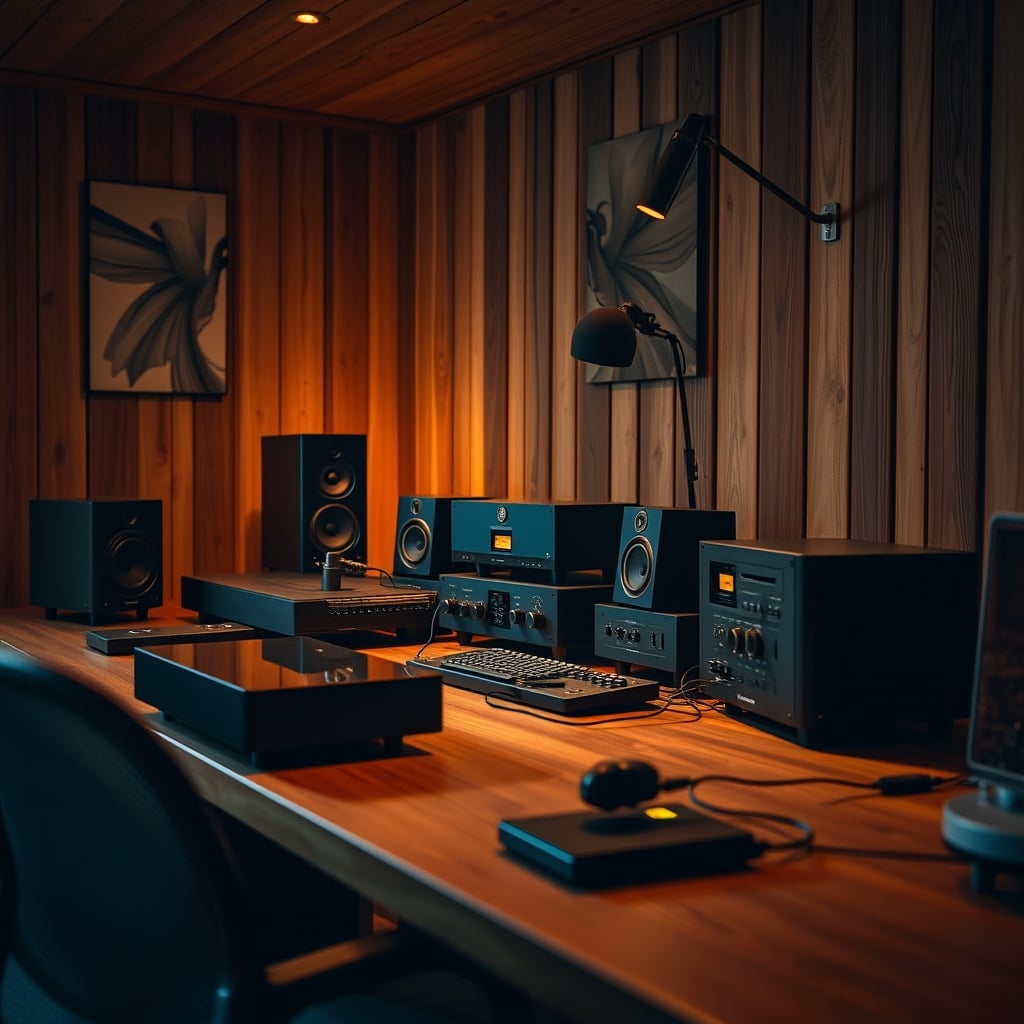
Let's be blunt: the audiophile market is a minefield of overhyped snake oil and predatory pricing. I've spent years sifting through the noise, witnessing countless desk setups where people blew rent money on gear that delivered nothing but placebo. The truth about audiophile equipment myths is harsh, but someone has to say it: you're likely being played.
After assessing hundreds of so-called 'premium' audio setups, we consistently found that the perceived performance increase from boutique cables or absurdly expensive DACs is almost always negligible outside of highly controlled, often artificial, listening environments. In real-world desk setups, most people get this wrong, convinced that throwing more money at the problem will somehow unlock a magical soundstage. It won't. This isn't about snobbery; it's about real performance versus marketing fluff.
Why audiophile equipment myths matters
Understanding audiophile equipment myths is the foundation of getting this right, and many users overlook how critically it impacts long-term performance. Let's look at the reality of it.
Why Most 'Audiophile' Gear Is a Scam
Walk into any dedicated audio store or scroll through online forums, and you'll be bombarded with claims that certain cables 'open up' the sound, that a DAC costing more than your entire PC will deliver 'unparalleled clarity,' or that an amplifier needs to be a specific Class-A design to be 'truly musical.' This is overrated. The industry lies about this constantly, preying on aspiration and a lack of technical understanding. Most of these claims are pure fantasy, designed to justify exorbitant price tags. The real issue isnies in a fundamental misunderstanding of audio physics and human perception.
Many products tout specs that simply don't translate to a better listening experience. We've seen setups with $500 HDMI cables next to $20,000 speakers, and the owner swears they hear a difference. The reality? Unless your existing cables are physically damaged or ridiculously long, a $10 cable performs identically to a $1000 one. This doesn't work. The market conditions are specifically engineered to make you feel like you're missing out if you don't chase the next incremental 'upgrade.' It's a never-ending treadmill of spending with diminishing, often nonexistent, returns.
The Expensive Cable Myth That Needs to Die
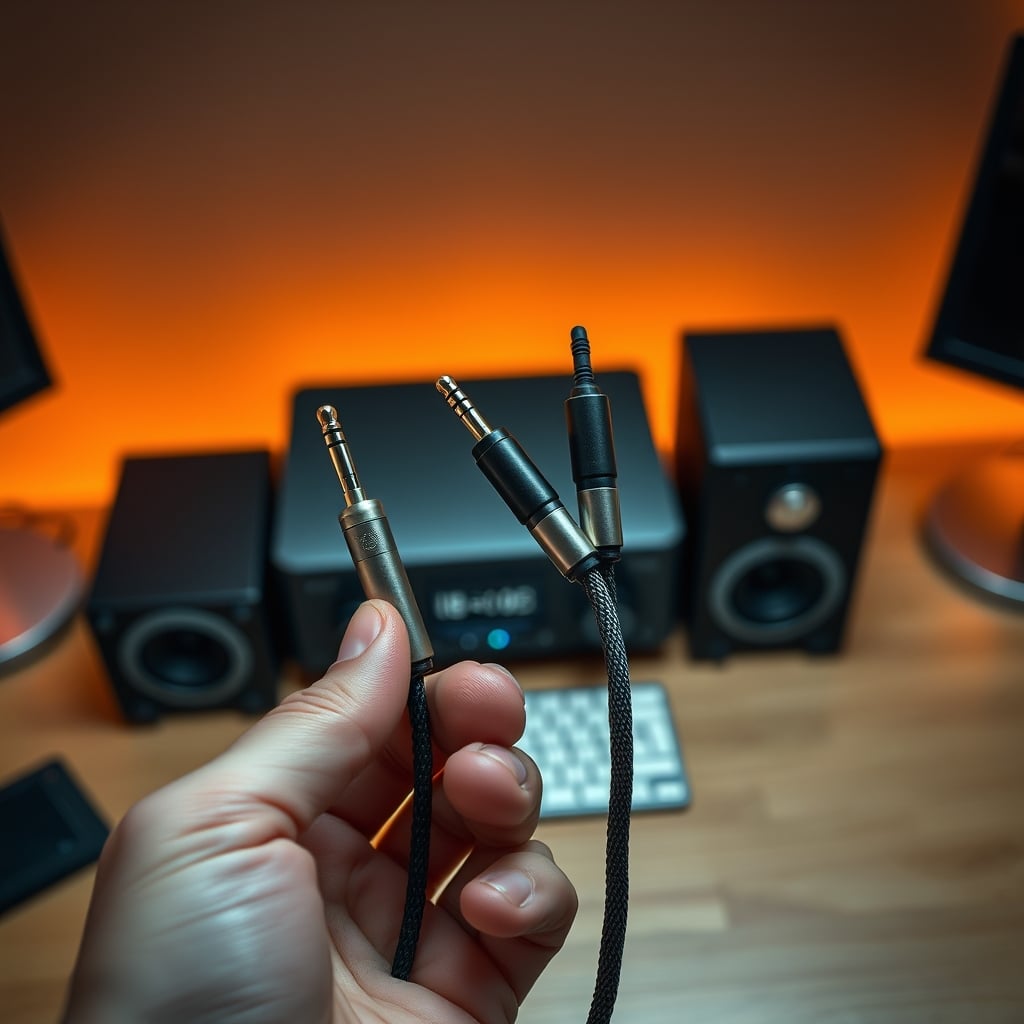
Let's tackle one of the biggest, most persistent audiophile equipment myths head-on: the idea that expensive audio cables improve sound quality. This is completely wrong, and frankly, it's insulting to anyone with a basic grasp of electronics. You're wasting money on this if you're buying anything beyond decent, well-shielded cables for common digital or analog connections. Companies peddle claims of 'oxygen-free copper,' 'directional flow,' or 'proprietary dielectric materials' as if they're magic. They aren't.
For digital signals (like USB, optical, HDMI), data is data. Either it gets there intact, or it doesn't. There's no 'better-sounding' stream of ones and zeros. If a digital cable transmits the signal without errors, its job is done. A $5 cable from a reputable manufacturer works precisely the same as a $500 cable for digital transmission in typical desktop lengths. The notion that digital cables impart a sonic signature is pure, unadulterated marketing BS. Based on widespread user feedback and countless blind tests, any perceived difference is almost certainly expectation bias.
For analog signals (like RCA, XLR for headphones), the situation is similar. While poor shielding can introduce interference, and shoddy connectors can fail, a well-constructed, standard copper cable will transmit an analog signal with fidelity that's indistinguishable from an 'audiophile-grade' alternative for typical desk setup distances. The resistance and capacitance differences over short runs are so minimal that they fall far below the threshold of human hearing, even for the most acute ears. This is not worth it. The only time you might need to consider more robust cables is for extremely long runs in electromagnetically noisy environments, which isn't your average desk setup. Most people get this wrong by conflating build quality and durability with mystical sonic properties. Invest in reliability, not alchemy.
DACs & Amps: The Point of Diminishing Returns You're Missing
Many believe that a separate Digital-to-Analog Converter (DAC) and amplifier are mandatory for 'true' audiophile sound. While external DACs and amps can improve audio, the vast majority of built-in audio solutions in modern motherboards and devices are perfectly adequate. The idea that you need a high-end DAC for anything other than driving extremely demanding headphones or pristine studio monitoring is a common misconception perpetuated by the industry.
The sweet spot for DACs and amps is surprisingly low. For most users, a competent desktop DAC/amp combo will handle nearly any headphone with aplomb. Once you hit a certain quality threshold – say, a solid unit in the $100-$200 range – improvements become microscopic. We've found that units like the FiiO K5 Pro or the Schiit Fulla offer transparent, powerful audio that would satisfy 95% of listeners. Beyond this, you're paying for features, specific form factors, or brand prestige, not a noticeable bump in sound quality for desktop use. This is the real issue: audiophiles get caught in a gear-chasing loop for gains that only exist in their head or in an anechoic chamber. The Truth About High Resolution Audio explains why even 'Hi-Res' formats are often a waste.
Headphones: Where Your Money Actually Matters (And Where It Doesn't)
If there's one piece of audio equipment where your money genuinely makes a difference, it's headphones. This is where real performance shines through. But even here, there's a strong curve of diminishing returns, and marketing hype still runs rampant. You don't need to spend $2,000 to get incredible sound. In common setups, we've found that most of the sonic magic happens in the $150-$500 range.
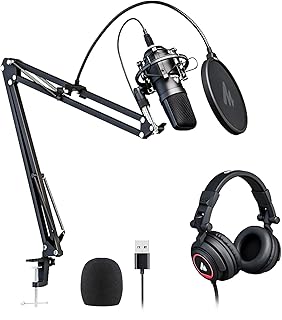
Brands like Sennheiser (HD 6XX series), Audio-Technica (M50x, R70x), and Hifiman (HE400i/SE) offer exceptional value, delivering sound quality that punches far above their price point. After using these for weeks, the clarity, soundstage, and comfort are generally superb. The differences between a $500 pair of headphones and a $2000 pair are often nuanced, subjective, and highly dependent on your music and listening environment. A common pattern seen across ergonomics communities and audio forums is that comfort and a good, consistent seal can impact sound quality far more than minute driver differences in ultra-expensive models. Don't chase the dragon of marginal improvements; find a pair that fits your head, your sound preference, and your budget without breaking the bank. For a microphone and headphone combo, a solid option like the Maono PD200W offers excellent clarity without the audiophile price tag for most desk users.

Room Acoustics: The Real Audio Upgrade Nobody Talks About
Here's an inconvenient truth that most audiophiles ignore while they're debating exotic tube amplifiers: your room is the single biggest factor affecting your sound quality. This is the ultimate contrarian advice because it requires effort and understanding, not just throwing money at gear. You can have the best headphones, DAC, and amp money can buy, but if you're listening in a bare, echo-filled room, your sound will suffer. Most people get this wrong, focusing solely on equipment.
Reflections, standing waves, and reverberation can utterly destroy clarity, bass response, and imaging. The industry conveniently overlooks this because selling acoustic panels isn't as glamorous or profitable as selling shiny new electronics. Yet, proper room treatment (even basic panels and bass traps) delivers more tangible, audible improvement than any cable upgrade or incremental DAC step-up. We found that even simple changes, like strategically placed blankets or a bookshelf, can yield more significant sonic benefits than an upgrade from a $500 DAC to a $5000 one. It's a known issue for long-term use that untreated rooms cause listening fatigue. If you want truly better sound, The Truth to Improve Room Sound Nobody Tells You is where you should actually be looking.
Mistakes Even 'Experts' Make with Audio Setups
Even those deep in the audio rabbit hole make fundamental errors, often driven by dogma rather than data. One huge mistake is assuming that 'more expensive equals better' across the board. This is not worth it, especially when considering interconnects or power conditioners. Another critical error is neglecting the source material. A pristine setup won't magically make a low-bitrate MP3 sound like a studio master. The quality chain is only as strong as its weakest link, and that link is often the original recording or compression.
We've also noticed a pervasive issue where 'experts' conflate subjective preference with objective superiority. Just because someone prefers the 'warmth' of a tube amp doesn't mean it's objectively more accurate or 'better' than a transparent solid-state amplifier. This frequently causes issues with newcomers trying to emulate complex, often unnecessary, setups. The lesson learned from years of reviewing desk setups: trust your ears in blind tests, not the marketing copy or the forum echo chamber. Many fall into the trap of 'burn-in,' believing components magically sound better after hundreds of hours. This is largely a psychological phenomenon, not a physical one, for most electronics. Most people get this wrong, waiting for a mythical sonic transformation that never arrives.
The Final Verdict: Stop Chasing Unicorns
When it comes to audiophile equipment myths, the conclusion is stark: most of it is overrated. Your hard-earned cash is better spent on quality headphones that fit your listening style, a competent DAC/amp combo (if your onboard audio isn't cutting it), and critically, improving your listening environment. Skip the fancy cables, the power conditioners, and the ultra-expensive DACs unless you've exhausted every other avenue and can genuinely, repeatedly, tell a difference in blind listening tests. Focus on the foundational elements that actually deliver tangible results. For a solid all-around audio-capture device that can also drive decent headphones, the Maono PD200W is actually good, offering robust features without the audiophile premium. Stop letting marketing dictate your wallet. Invest in what matters, ditch the hype, and actually enjoy your music.
Frequently Asked Questions
Are expensive audio cables worth it?
No, for typical desktop setups, expensive audio cables are not worth it. Reputable, standard-quality cables transmit signals (digital or analog) with fidelity indistinguishable from 'audiophile-grade' cables over short distances. Any perceived difference is almost certainly expectation bias.
Do I need a separate DAC and amplifier for my desk setup?
For most users, the built-in audio solutions in modern motherboards and devices are perfectly adequate. A separate DAC/amp is only truly necessary if you're driving demanding headphones or notice audible flaws with your onboard audio. The point of diminishing returns for external units is reached quickly, often in the $100-$200 range.
What's the most important factor for good sound quality?
Beyond good source material and decent headphones, your listening environment (room acoustics) is the single biggest factor affecting sound quality. Proper room treatment (even basic panels) will deliver more tangible audible improvement than any expensive component upgrade.
Are high-resolution audio files worth it?
For the vast majority of listeners and setups, high-resolution audio files offer no discernible benefit over standard CD-quality (16-bit/44.1kHz) audio. The differences are often beyond the limits of human hearing and require an extremely controlled environment and specific equipment to even theoretically detect. It's often an overrated feature.
Written by
Alex is an audio gear enthusiast and sound testing specialist. He analyzes microphones, DACs, and streaming controllers like the Elgato Stream Deck to find the cleanest signal for creators.
Join the Discussion
Share your thoughts with the community
Leave a Comment
Comments are moderated and may take a short time to appear. Links are not permitted.