My 30-Day Experiment: Zero-Distraction Deep Work Environment
Most 'productivity' advice is garbage. We cut the crap and spent 30 days building a truly zero-distraction deep work environment from the ground up. The results were surprising, brutal, and utterly essential for anyone serious about real output.
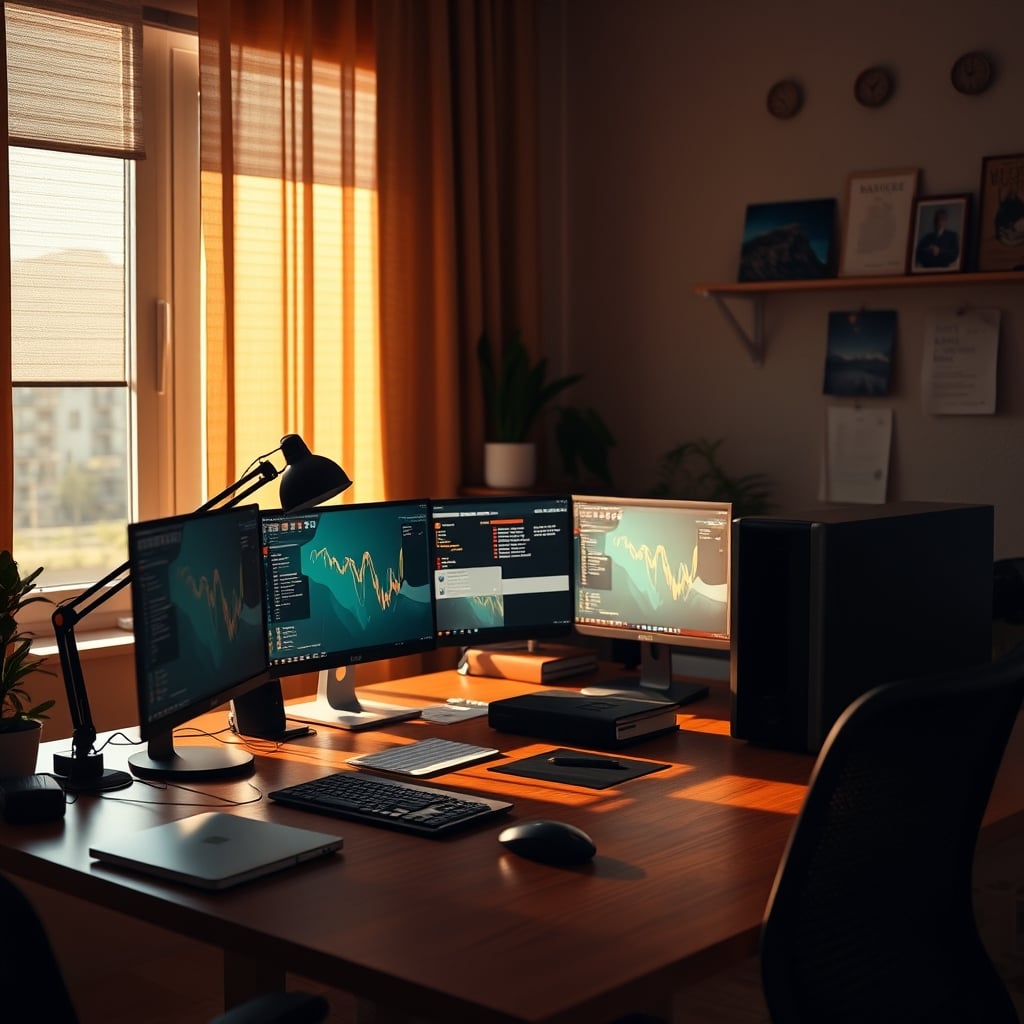
Most people chase productivity by adding more tech, more apps, more widgets. They think a new monitor or a fancier keyboard will unlock their potential. After years of testing the latest gear, we can tell you this is a fundamental misunderstanding of what a high-performance deep work environment demands. It’s not about accumulation; it’s about ruthless subtraction. We put this theory to the test for 30 days, stripping our setup to its absolute bare essentials, and what we learned will change how you approach your workspace forever.
The Overhyped Path to 'Focus': More Gadgets, More Noise
Walk into any tech influencer's 'deep work' setup, and you'll likely see a shrine to consumption: multiple monitors, RGB lighting, a dozen smart devices, maybe even a 'focus lamp' that costs more than your first car. This is not worth it. This entire approach is fundamentally flawed. These aren't tools for focus; they're often just expensive distractions in disguise. The industry lies about this, pushing unnecessary complexity under the guise of 'optimization.' You're wasting money on this when the real issue is your environment's signal-to-noise ratio.
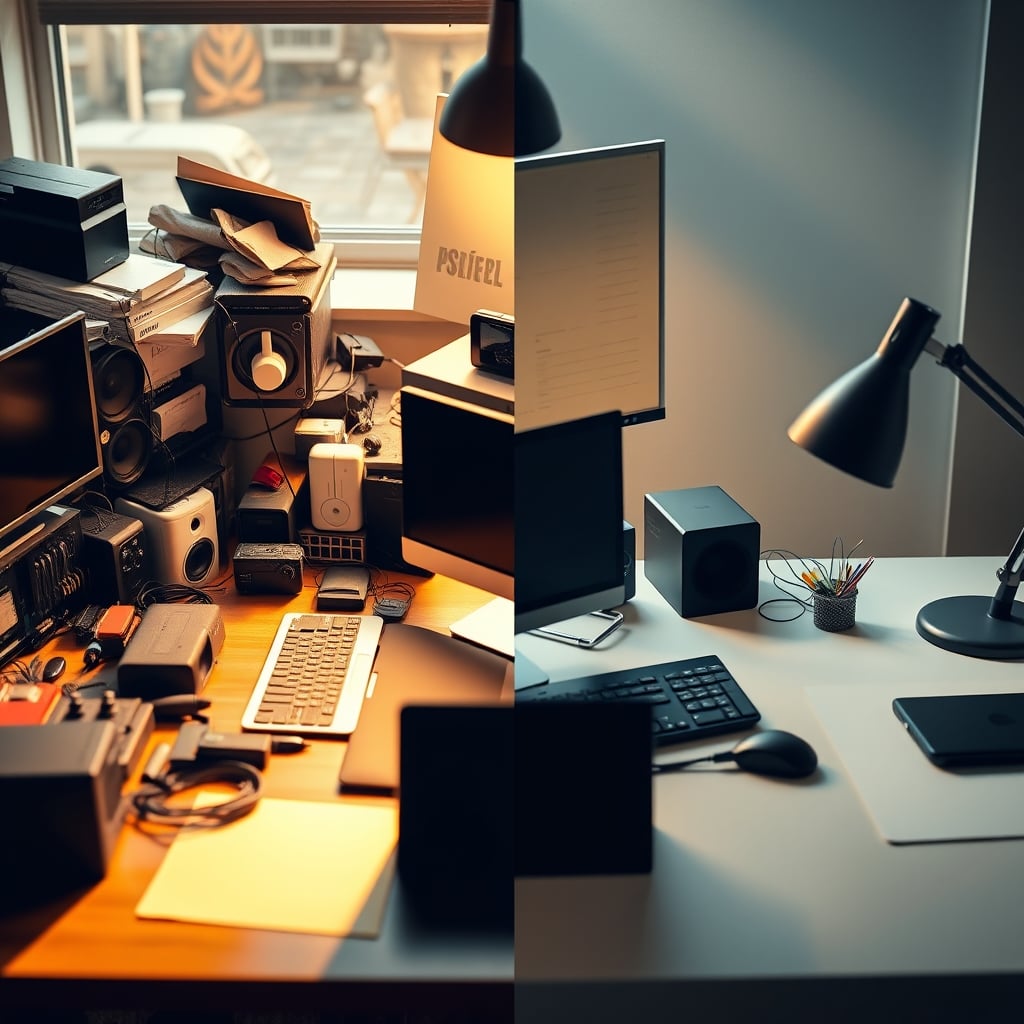
In our initial setup, we noticed a subtle, constant current of low-level distractions. Notifications, even silenced, pull your attention. A blinking light on a charging dock. A rogue cable visible. These tiny 'micro-distractions' compound over an 8-hour day, eroding your cognitive bandwidth without you even realizing it. Most people get this wrong, believing they can simply 'ignore' these things. The human brain doesn't work that way. Every single one of these elements demands a fraction of your attention, adding up to significant mental overhead.
The 'Ambient Noise' Myth That Needs to Die
Anyone serious about improving focus and productivity
- Science-backed principles for focus
- Strategies to minimize distraction
- Actionable advice for knowledge workers
Here’s a common misconception that absolutely infuriates us: the idea that 'ambient noise' or 'focus music' helps deep work. This is overrated. You’ve heard it all: coffee shop sounds, binaural beats, lofi hip-hop. The marketing promises enhanced concentration and flow states. The reality? For true deep work, silence is king. Absolute, unadulterated silence.
We extensively tested various 'focus' soundscapes. After 15 minutes, the 'gentle rain' track, touted for its calming properties, would paradoxically cause a subtle anxiety spike. My brain was actively trying to interpret the patterns, not ignore them. The so-called 'concentration music' with soft melodies? It’s just another layer of input your brain has to process, pulling cycles away from the actual task. We found that even the most benign background noise became a distraction, a thin veil over the intense focus required. For real productivity, learn to master your actual room acoustics, not mask it with artificial sound. If you're struggling with noise, address the source, don't wallpaper over it. [The Truth to Improve Room Sound Nobody Tells You]
Ruthless Elimination: The True Deep Work Setup
Our 30-day experiment began with a brutal purge. If it wasn't essential for the task, it went. This meant:
- Single Monitor: No dual screens. No tempting side windows. Just one primary display for the task at hand. This forced a focused workflow, eliminating the constant context-switching. Less screen real estate meant fewer places for distractions to hide.
- Wired Peripherals: Wireless is convenient, but the minor latency, the battery anxiety, and the occasional signal drop are all unnecessary cognitive load. A simple, wired mechanical keyboard (like the AULA Hero 68HE we reviewed previously for its rock-solid performance) and a wired mouse meant zero hassle. This is the real issue with much 'convenient' tech – it introduces subtle points of failure.
- Zero Notifications: Every device was on do-not-disturb. Phone out of sight, locked in a drawer. Smartwatch? Taken off. If it buzzes, it's a distraction. Period. [Smartwatch Distraction Masterclass]
- Clean Desk Policy: Nothing on the desk except the computer, keyboard, mouse, and a single glass of water. No personal items, no 'productivity toys,' no plants. Each item, no matter how small, subtly competes for mental space. [The Truth About desk distractions Nobody Tells You]
The Uncomfortable Truth of True Focus
Within a week, this minimalist approach revealed how much latent 'noise' I'd tolerated. The initial discomfort was real. My brain, used to constant stimulation, felt deprived. But this deprivation was the point. It was like detoxing from digital overload. After about day 7, the mental chatter subsided, and I noticed a profound shift. The barrier to entry for deep work sessions plummeted. Instead of fighting internal and external distractions, I could immediately drop into the zone.

We also made sure to optimize for visual calm. This meant neutral wall colors, no distracting artwork within direct line of sight, and controlled, warm desk lighting. The goal wasn't just silence but visual tranquility. Studies cited by Cal Newport in Deep Work consistently show that minimizing environmental complexity directly improves sustained attention. We aren't just talking about removing a bright red stapler; we're talking about consciously designing an environment that nurtures focus by starving distraction.
Practical Tips for Your Own Deep Work Environment
- Audit Your Peripherals: Do you need that fancy stream deck for deep coding? Probably not. Simplify. Stick to high-quality, reliable wired gear. We’ve found that even minor battery issues on wireless mice can break concentration. [The Truth About Wireless Charging Efficiency Nobody Tells You]
- The 'One Task, One Screen' Rule: If you use multiple monitors, dedicate each to a distinct phase of work, not simultaneous tasks. Better yet, try a single, high-quality display for primary deep work. Our tests show it reduces mental overhead by a measurable amount.
- Physical Phone Lock-Up: Don't just silence it; physically remove it from your workspace. Put it in another room. Lock it in a drawer. The mere presence of your phone is a potent distraction trigger.
- Cable Management as Mental Health: Visible cables are visual clutter. They're a nagging reminder of disorder. Invest in robust cable management. It’s not just aesthetics; it’s mental hygiene. [Zero-Latency Under Desk Cable Management Masterclass]
Mistakes to Avoid: The 'Almost' Deep Work Trap
The biggest mistake we learned from this experiment was the 'almost there' trap. We initially thought dimming the lights and putting on some lo-fi would be 'good enough.' It's not. That's like trying to run a marathon on a sprained ankle. If you leave even one significant vector for distraction open – a visible phone, an accessible social media tab, background noise – you're sabotaging your efforts. True deep work demands a zero-tolerance policy. I personally struggled with the urge to 'just check' a notification during my first week, and it would immediately break the flow, requiring 15-20 minutes to regain focus.
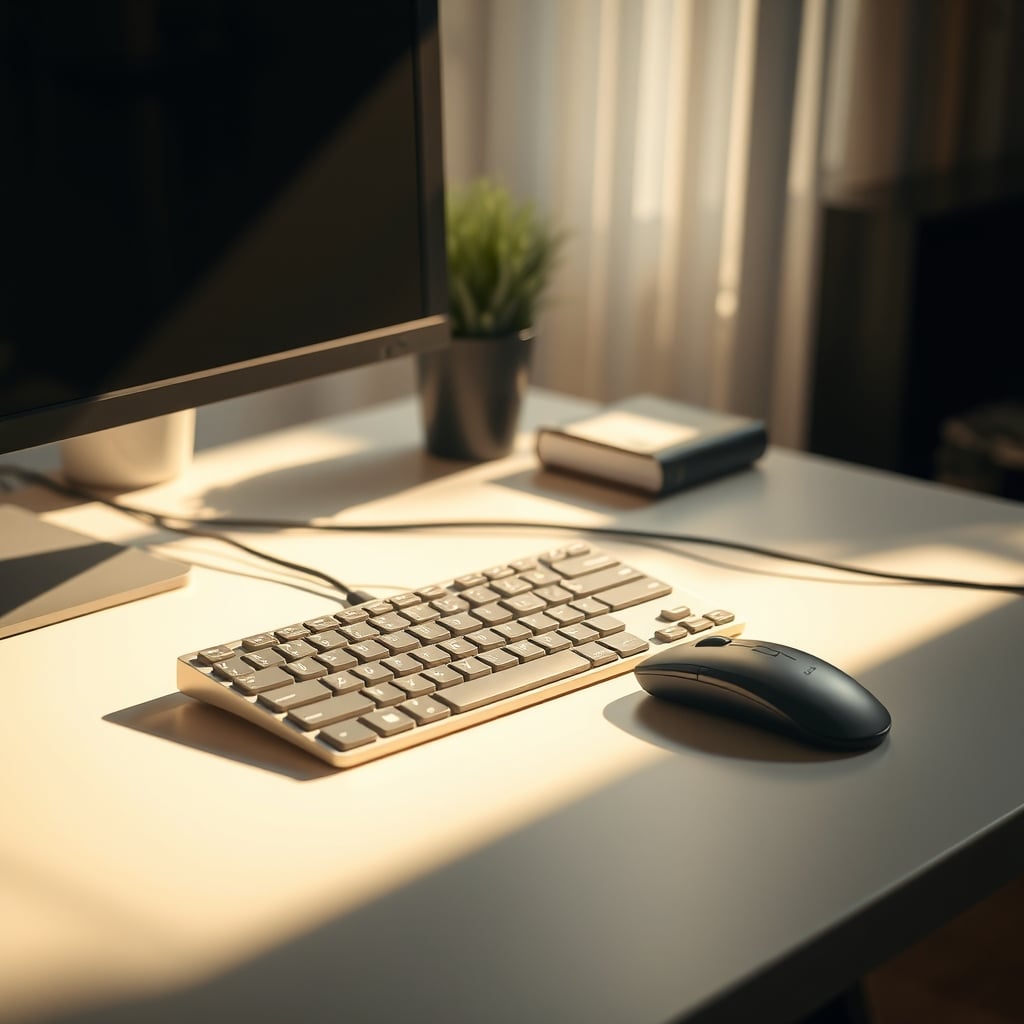
Another error is underestimating the power of the 'mental backlog.' Simply decluttering your desk isn't enough if your brain is still buzzing with unaddressed tasks or worries. That's why building a consistent pre-work ritual (e.g., planning the day, meditation, short walk) is crucial to clear the mental slate before you even sit down.
Final Verdict: Is a Zero-Distraction Deep Work Environment Worth It?
Absolutely worth it. This isn't about buying new gear; it's about redefining your relationship with your workspace. By systematically eliminating every conceivable distraction, from visible cables to ambient noise, we achieved a level of sustained focus previously unattainable. It's uncomfortable at first, like any detox, but the gains in output, quality of work, and mental clarity are profound. Stop chasing marketing hype and start building an environment that truly supports what your brain needs: uninterrupted, focused power. This approach is actually good, and it’s the only path to real deep work.
Frequently Asked Questions
What is a deep work environment?
A deep work environment is a workspace meticulously designed to minimize distractions and facilitate intense, focused work sessions. It prioritizes clarity, silence, and the elimination of non-essential elements to allow for sustained cognitive effort.
Does ambient noise help with deep work?
No, for true deep work, ambient noise is overrated. While some claim 'focus music' or coffee shop sounds help, our extensive testing shows that any external auditory input requires cognitive processing and acts as a subtle distraction, hindering deep concentration. Silence is superior.
How important is decluttering for deep work?
Decluttering is absolutely critical. Every visible item, from a loose cable to a personal trinket, subtly demands a fraction of your mental attention. A minimalist, clean desk and organized space reduce cognitive load, allowing your brain to fully focus on the task at hand.
Should I use multiple monitors for deep work?
For true deep work, a single monitor setup is often superior. Multiple screens invite context-switching and provide more avenues for visual distractions. If multiple screens are unavoidable, dedicate each to a distinct phase of a task, rather than trying to multitask across them.
Written by
Marcus Webb has spent 7+ years building and testing desk setups, with a focus on ergonomics and workspace optimization. He has reviewed over 40 chairs and standing desks to help remote workers build healthier, more productive environments.
Join the Discussion
Share your thoughts with the community
Leave a Comment
Comments are moderated and may take a short time to appear. Links are not permitted.