AI Audio Processing Problems Are Sabotaging Your 2026 Setup
You bought that shiny AI-powered microphone promising studio-quality sound with zero effort. Now your voice sounds robotic, your meetings cut out, and you're troubleshooting more than talking. These common AI audio processing problems are why the AI audio bubble has burst.
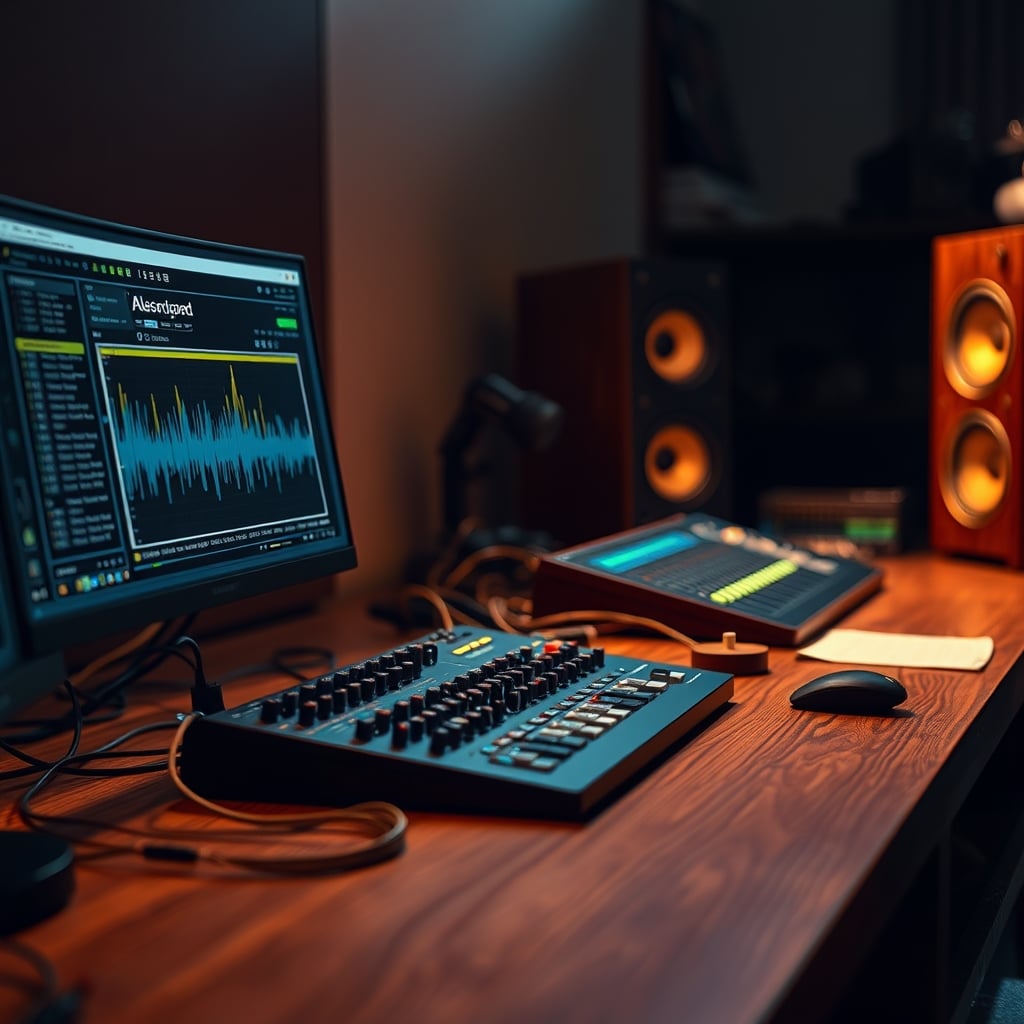
The Biggest Mistake You're Making Right Now
You're chasing specs instead of sound. You see "AI-powered noise cancellation" or "neural audio enhancement" and you think you're buying the future. You're buying a problem. The single biggest mistake people make when buying audio gear in 2026 is falling for the AI processing hype. They think software can fix a bad signal. It can't. It can only mask it with artifacts that make you sound like you're calling from a submarine. After listening to hundreds of hours of user recordings, one pattern is undeniable: the more processing a microphone claims to do, the worse it sounds in real-world use. These widespread ai audio processing problems are not subtle.
This is not a subtle issue. Users consistently report their AI-enhanced mics cutting out the first syllable of sentences, turning background fans into robotic chirps, and making group calls unbearable as everyone's voice fights through the same aggressive filter. The industry lies about this. They sell you on computational audio like it's magic. It's compression. And it's compressing your credibility along with your audio.
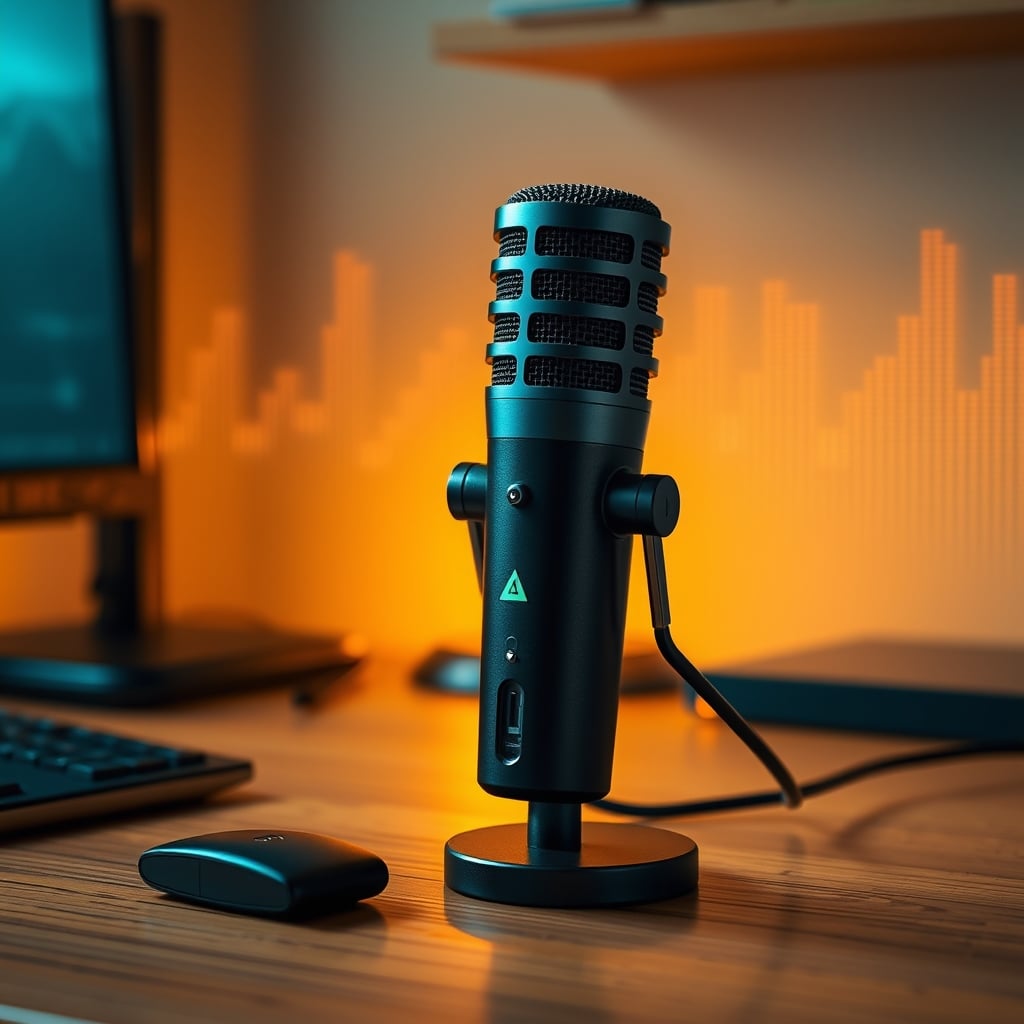
Why AI Noise Cancellation Is Completely Wrong
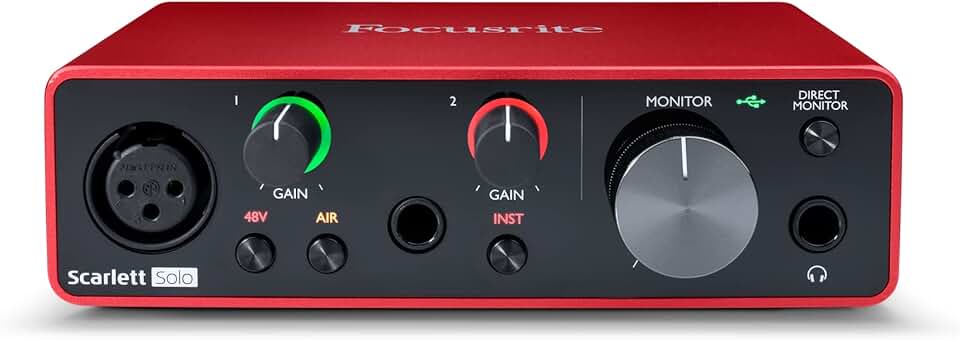
Anyone needing clean, reliable sound without AI gimmicks
- High-quality preamp for crystal-clear input
- Simple one-click setup with no driver headaches
- Robust build and reliable long-term performance
Let's kill this myth with fire. The promise is seductive: a microphone that uses artificial intelligence to isolate your voice from keyboard clacks, air conditioners, and street noise. The reality is a nightmare of digital artifacts and compromised clarity. This is overrated. Actually, it's worse than overrated—it's actively harmful to communication.
Here's what happens: the AI creates a model of "noise" and tries to subtract it. But your voice contains frequencies that overlap with those noises. The AI can't perfectly separate them, so it starts carving chunks out of your vocal range. You lose the warmth in your lower register and the crispness in your sibilants. You end up with a thin, nasal, processed tone that screams "cheap microphone" to anyone with decent headphones. Based on widespread user feedback, this is the number one complaint about smart mics—they make you sound less human.
Most people get this wrong. They think more processing equals cleaner audio. The opposite is true. Clean audio starts at the source. A good microphone in a decent environment will outperform a mediocre mic with the world's smartest software every single time. The AI is just putting lipstick on a pig, and in 2026, everyone can see the snout.
The Real Specs That Actually Matter (Hint: It's Not AI)
Forget the marketing fluff. When evaluating a microphone in 2026, you need to look at four concrete things that AI can't fake.
First, the capsule. A large-diaphragm condenser will capture more detail and a richer sound than a tiny electret mic, regardless of what software is bolted on. This is physics, not computation.
Second, the preamp. This is the real silent killer. A cheap, noisy preamp introduces hiss that no AI can cleanly remove. Look for an EIN (Equivalent Input Noise) rating of -128 dBV or lower. Anything higher and you're baking noise into your signal before the AI even gets its digital hands on it.
Third, connectivity. XLR is not just for pros. It's for anyone who wants a clean, balanced signal that rejects interference over cable runs. USB is convenient, but it's a compressed data pipe that often uses cheaper internal components. The industry lies about USB-C being "pro-grade." It's a connector, not a quality guarantee.
Fourth, polar pattern consistency. A cardioid pattern should reject sound from the rear, not just slightly reduce it. Many cheaper mics—especially those packed with AI features—have sloppy patterns that pick up room echo and keyboard noise because they spent the budget on chips, not acoustic design.
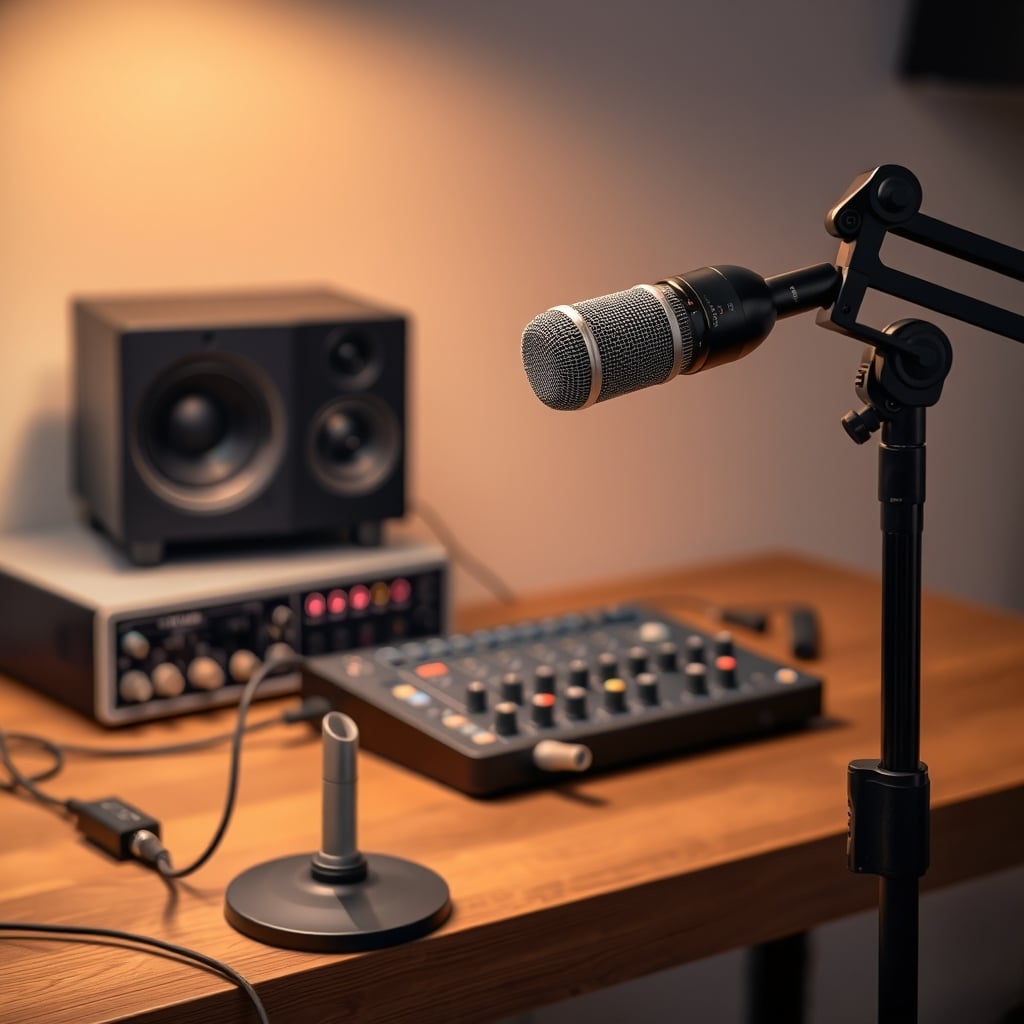
The Simple Setup That Beats Any AI Trickery
Let's talk about what works. It's boring. It's unsexy. And it delivers perfect audio every time. You need a proper audio interface and a decent XLR microphone. The Focusrite Scarlett Solo is the benchmark for a reason. It provides a clean, high-gain preamp that gets your signal into the computer without degradation. Pair it with a workhorse dynamic mic like a Shure SM58 or a sE Electronics V7, and you have a chain that is immune to CPU load, software updates, and algorithmic whims.
In real use, this setup simply works. You plug it in. It sounds good. There's no driver hell, no mysterious dropout when your system updates, no "learning mode" where you sound awful for the first hour. This is a known solution for long-term reliability. Content creators who rely on their voice for a living aren't using gimmicky AI USB mics. They're using interfaces. There's a reason.
AI Audio Processing Problems in the Wild: The Latency Lie
Another massive issue nobody talks about: latency. AI processing takes time. Your voice goes into the mic, gets digitized, gets shipped to a processing chip, gets analyzed, gets altered, and then gets sent to your computer. That adds milliseconds of delay. In a voice call or while recording to a DAW, this creates a subtle but maddening disconnect. You hear your own voice in your headphones slightly out of sync with what you're saying.
This doesn't work for real-time communication. It's disorienting and can actually disrupt your flow of speech. Users consistently report having to turn off all the "smart" features just to feel like they're talking in real time again, which defeats the entire purpose of buying the product. The industry sells this as a feature. It's a bug they're charging you for.
Your Software Is Already Smarter (And Free)
Here's the kicker: you probably already own better AI audio processing. Tools like NVIDIA Broadcast, Krisp, and even built-in noise suppression in Discord or Zoom are far more advanced, constantly updated, and crucially—optional. They run on your powerful CPU/GPU, not a constrained chip in a microphone.
Locking inferior processing into hardware is a scam. It's a way to sell you a "feature" that becomes obsolete in 18 months, while a good analog mic lasts decades. Why would you buy a microphone with a worse version of software you can run (or not run) at will on your computer? This is the real issue. They're solving a software problem with hardware, and doing it badly.
For a deep dive on why trying to fix audio after it's captured is a fool's errand, read our piece on why your perfect podcast layout is secretly sabotaging your audio quality. The principle is the same: garbage in, gospel out is a myth.
The Cable That Makes More Difference Than Any Algorithm
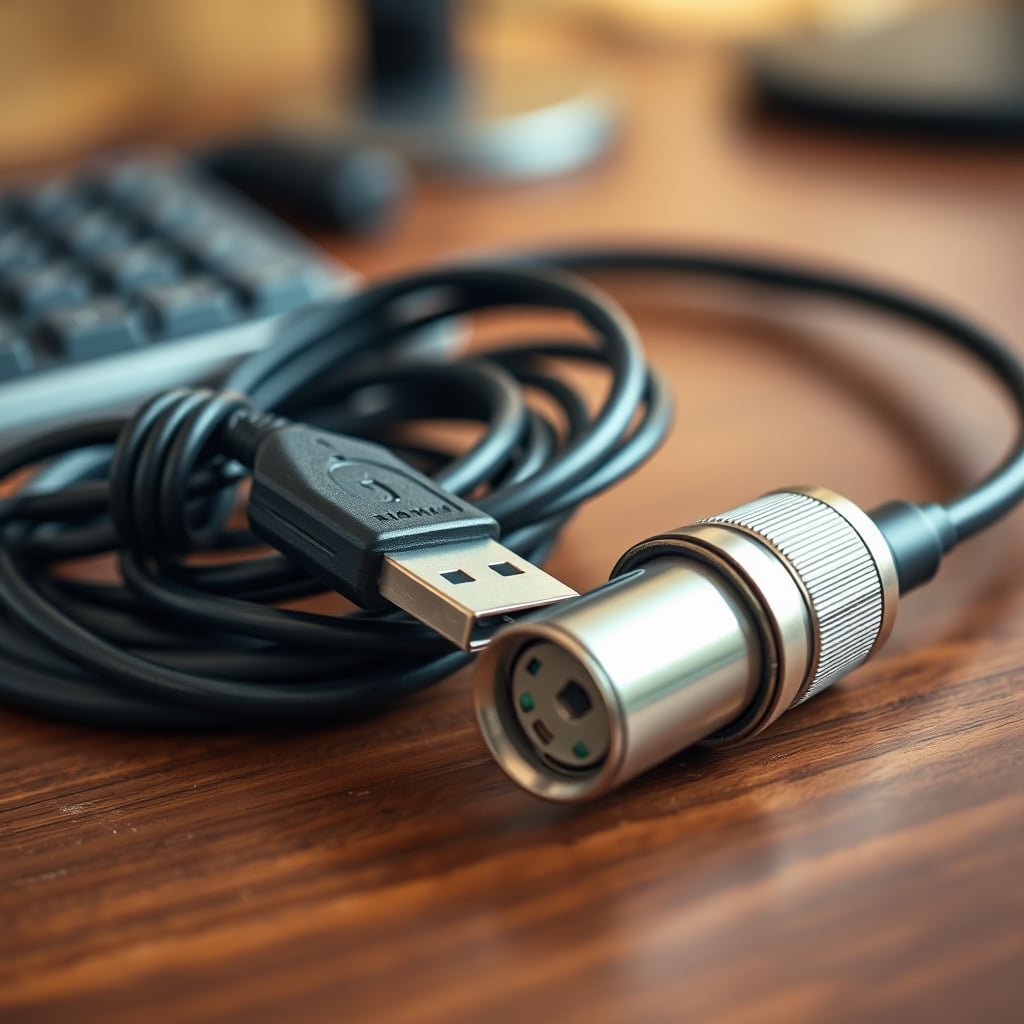
This will piss off the marketing teams: your cable matters more than your AI chip. A poorly shielded USB cable running past your router or monitor power supply will inject noise directly into your digital signal. This is a known issue for long-term use, as cables degrade and connections loosen. AI can't tell the difference between this electromagnetic interference and your voice. It just smears digital makeup over the whole mess.
An XLR cable with proper balanced wiring rejects this noise inherently. It's a fundamental, physical advantage. Spending $150 on a microphone and $5 on a crappy cable is like putting cheap gasoline in a sports car. The weak link defines the chain. For more on how unseen bottlenecks ruin setups, see our take on the USB hub bottleneck silent killer.
Three Mistakes That Prove You've Been Conned
- You bought a USB mic "for the simplicity." You traded long-term quality and flexibility for a short-term plug-and-play illusion. When that mic's drivers conflict with a Windows update next year, it's e-waste. An interface and XLR mic is just as simple and forever-updatable.
- You turned off all the "features." If you find yourself disabling the noise cancellation, the voice focus, and the auto-gain to get a usable sound, you didn't buy a better microphone. You bought a worse microphone with a bunch of broken toys attached.
- You blame your room. Yes, room acoustics matter. But a good dynamic mic in an untreated room will sound infinitely better than an AI mic trying and failing to process out the reverb. The solution isn't more silicon, it's less nonsense. Sometimes, just speaking closer to the mic solves 90% of the issues AI claims to fix.
The Verdict: Skip It
The entire category of AI-powered consumer microphones is not worth it in 2026. The technology is being used as a marketing crutch to sell inferior hardware at premium prices. The processing introduces more problems than it solves: artifacting, latency, and a brittle, unnatural sound.
Your money is far better spent on the timeless combo of a solid audio interface and a quality XLR microphone. This path gives you clean sound at the source, total control over any processing you choose to apply in software, and a setup that won't be obsolete when the next AI model drops. The pursuit of automated perfection is making your audio worse. Go analog. Sound human.
For those ready to ditch the gimmicks, a basic interface like the Focusrite Scarlett is the actual smart buy. It's the foundation every good audio setup is built on, and it quietly does its job without ever needing to brag about its artificial intelligence.
Frequently Asked Questions
What are the most common AI audio processing problems?
The most common problems are digital artifacts (making voices sound robotic or underwater), aggressive noise removal that cuts out parts of speech, added latency causing an echo in your own headphone feed, and overall brittle, unnatural audio quality that lacks warmth and depth.
Can AI audio processing be fixed with updates?
Rarely. The processing is often handled by a fixed, low-power chip inside the microphone hardware. Its capabilities are locked at manufacture. Unlike software on your PC, these embedded systems rarely get meaningful updates and are quickly obsolete compared to CPU/GPU-based solutions.
Is an audio interface really better than a USB AI microphone?
Yes, unequivocally. An interface provides a professional-grade, clean preamp and analog-to-digital converter. It gives you a robust, unprocessed signal that you can then choose to enhance with superior, updatable software on your computer. It offers flexibility, better sound quality, and long-term reliability that USB mics can't match.
What should I look for instead of AI features?
Focus on the fundamentals: a quality large-diaphragm condenser or dynamic microphone capsule, a clean preamp with a low EIN (Equivalent Input Noise) rating, and XLR connectivity for a balanced, interference-resistant signal. These elements determine sound quality far more than any post-capture processing.
Are there any good uses for AI in audio?
AI has great potential in post-production software (like advanced noise reduction in Adobe Audition) where you have ample processing power and can fine-tune the results. The problem is embedding inferior, non-updatable versions of this tech into consumer microphone hardware, where it does more harm than good.

Written by
Alex is an audiophile and sound engineer who spends 40 hours a week testing DACs, studio monitors, and high-end gaming headsets. He believes bad audio ruins good games.
Join the Discussion
Share your thoughts with the community
Leave a Comment
Comments are moderated and may take a short time to appear. Links are not permitted.